An African-owned gaming startup, Rise of Fearless, has secured $1 million in funding from Mauritius-based advisory and investment firm Epic Edges Capital to expand its operations and bring experienced executives from global gaming and entertainment companies into its team.
The investment, structured as a Simple Agreement for Future Equity (SAFE), will finance technology development, infrastructure, marketing, talent recruitment and community-building as the company seeks to take its African-inspired mobile game to international markets.
The funding will also support the recruitment of international gaming executives and developers, including professionals with experience at Ubisoft, 2K/Take-Two, Capcom, PlayStation, Marvel, Pixar and Disney.
The development signals a growing ambition among African gaming companies to move beyond serving the continent’s expanding mobile gaming market to building intellectual property (IP) capable of competing internationally while retaining African creative and commercial ownership.
Launched in 2025, Rise of Fearless is a free-to-play battle royale mobile game inspired by African history and culture, particularly Ethiopia’s historic victory over Italian forces at the Battle of Adwa in 1896.
Its characters, environments, hairstyles and clothing draw from African identities and experiences, offering an alternative to the Western-centric narratives and visual representations that have historically dominated mainstream gaming.
The game, available on Apple’s App Store and Google Play, has recorded more than 15,000 downloads, with its largest player communities in Nigeria, Ethiopia and South Africa.
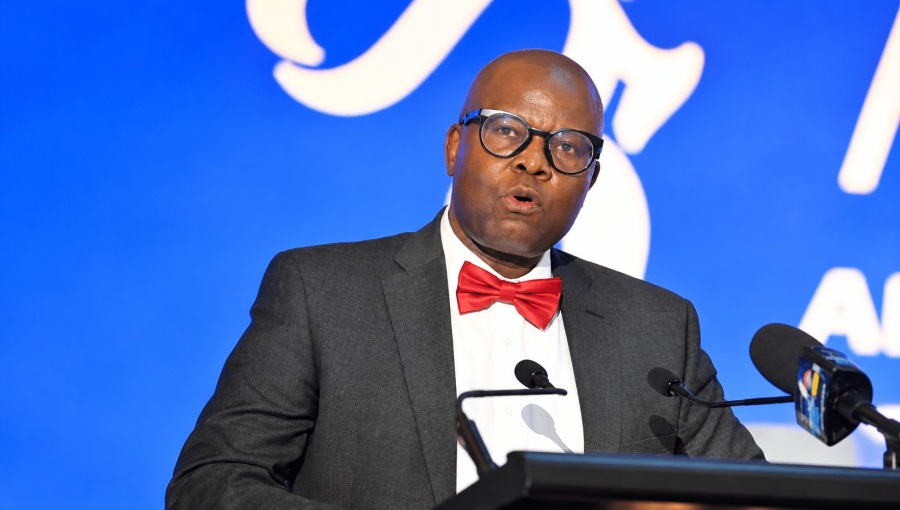
Kanessa Muluneh, founder of Rise of Fearless, said the investment would help the company transition from an independently built product into a globally distributed gaming franchise.
“We couldn’t be more excited about our new team taking an African-owned gaming franchise to international distribution and commercial scale,” Muluneh said.
The new team brings together expertise across game development, publishing, marketing, market intelligence and entertainment franchise development.
Miniboss Solutions, led by Adam Krause and TJ Consunji, will provide publishing and marketing expertise. Krause previously held positions at Ubisoft, 2K/Take-Two, Capcom and Striking Distance Studios, while Consunji has worked with PlayStation, Striking Distance Studios and Krafton.
Trick Question Studios, led by TQ Jefferson, will contribute franchise development and creative direction. Jefferson’s previous experience includes work with Marvel, Pixar, Disney, Survios and 20th Century Fox Games.
IDG Intelligence, headed by Yoshio Osaki, will provide market research, data analytics and strategic advisory services. The company says it has worked with more than 300 clients across over 60 countries.
Spectra Entertainment will contribute art and technical development capabilities.
For Rise of Fearless, the investment comes with a broader ambition beyond increasing downloads or expanding its immediate player base.
Muluneh said the company intends to use its growth to address structural challenges confronting African gaming businesses, particularly access to reliable technology, servers and cross-border payment infrastructure.
“The launch of Rise of Fearless filled a gap in the gaming space, but it has also forced us to think beyond game downloads, shifting our focus towards a much wider African gaming ecosystem where African intellectual ownership and talent development are key. As a bootstrapped company, this investment is pivotal to our ambitions and the future of African gaming,” she said.
The founder said international expertise would also create opportunities to strengthen local capabilities and develop African talent, rather than simply importing skills to support the company’s expansion.
Remco Coerman, founder of Epic Edges Group, said the investment reflected the opportunity for African creators to develop culturally rooted intellectual property with international commercial appeal.
“Rise of Fearless represents the kind of ambitious, culturally rooted IP that has the potential to resonate far beyond its home market,” Coerman said.
He added that the company had the potential to demonstrate how African stories, identities and talent could reach global audiences through collaboration between local and international professionals.
The bigger African gaming opportunity
The investment comes as Africa’s gaming industry attracts growing attention from developers, investors and international publishers, driven largely by the continent’s young population, increasing smartphone adoption and expansion of mobile internet access.
According to figures cited by Rise of Fearless, Africa has more than 400 million gamers, while gaming revenue is projected to reach $1.98 billion in 2026. Mobile gaming accounts for the largest share of activity.
However, the expansion of the player market has not automatically translated into the development of globally competitive African-owned gaming franchises.
Access to funding, technical infrastructure, publishing relationships, distribution networks and payment systems remains important to the ability of local studios to develop and commercialise original intellectual property.
This creates a distinction between Africa’s position as a growing consumer market for international gaming companies and its ambition to become a producer and exporter of original gaming content.
For African developers, retaining ownership of intellectual property is particularly significant because it determines who controls the commercial value generated when a game expands into new markets, attracts licensing opportunities or develops into a wider entertainment franchise.
Rise of Fearless is positioning its new investment around this challenge, seeking to combine African cultural ownership with international development, publishing and commercial expertise.
Its $1 million funding round will therefore test whether an African-owned gaming franchise can move from an emerging mobile product into a commercially sustainable international business without surrendering control of the stories and intellectual property at its centre.
For now, its more than 15,000 downloads provide an early indication of market interest, but the next phase will depend on its ability to grow its player base, strengthen the game’s technical capabilities and build a business model that can compete in the international gaming industry.

Royal Ibeh is a senior journalist with years of experience reporting on Nigeria’s technology and health sectors. She currently covers the Technology and Health beats for BusinessDay newspaper, where she writes in-depth stories on digital innovation, telecom infrastructure, healthcare systems, and public health policies.