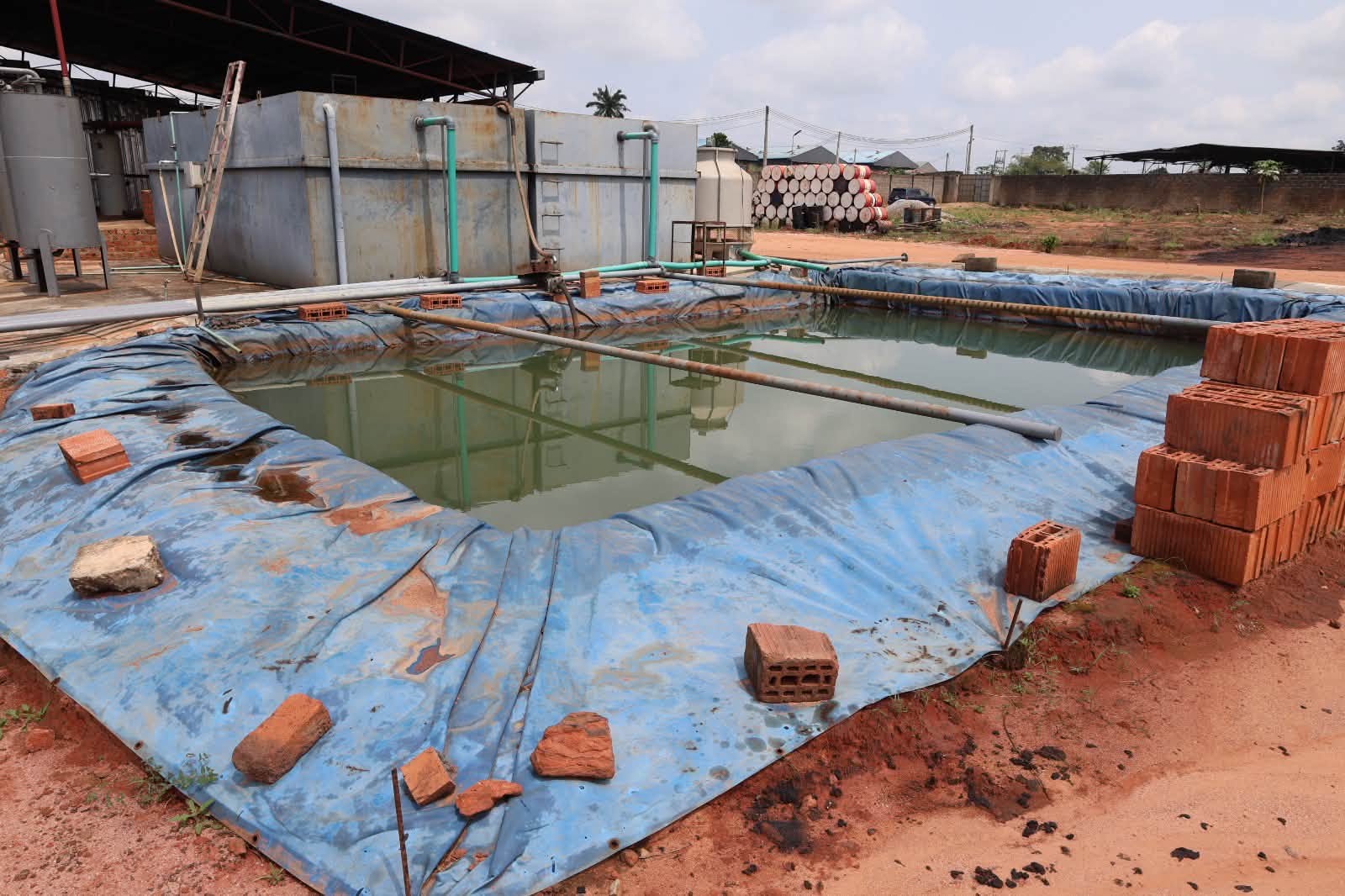
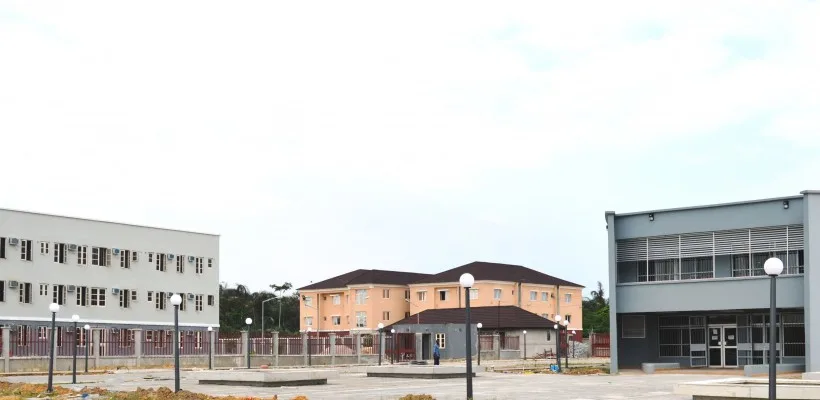
Gas from the ANOH plant began flowing commercially through the new $700m Obiafu-Obrikom-Oben (OB3) Gas Pipeline, a milestone for Nigeria’s push to get more of its gas to domestic buyers, BusinessDay’s finding has revealed.
Data gleaned from Seplat’s latest financial report showed the pipeline, which NNPC Gas Infrastructure Company Limited completed and commissioned during the quarter, carried about 10 percent of the plant’s third-quarter gas sales, even though it was operating for only the last month of the period.
“First commercial gas sold via OB3 pipeline in September,” Seplat’s financial statement said.
Seplat’s financial report also showed the ANOH gas plant, operated through ANOH Gas Processing Company (AGPC), averaged 164 million standard cubic feet a day of gross output in the third quarter, with a running nameplate capacity at 70 percent to 80 percent.
BusinessDay’s findings showed most of the processed gas went to Nigeria LNG (NLNG) and Indorama.
Both are large industrial buyers, which points to demand from export-oriented and fertiliser-related users. OB3 adds a further outlet for the remaining volumes.
Alongside gas, the ANOH plant has started shipping condensate, a light liquid hydrocarbon produced with natural gas. After condensate exports began through the Trans Niger Pipeline (TNP) to the Bonny Terminal, AGPC completed its first lifting of 641,000 barrels on July 14.
A second lifting of 551,000 barrels followed at the end of August. A third, larger cargo of 1.19 million barrels is planned for early in the fourth quarter. Cargoes are therefore getting bigger and arriving at a steady pace.
Smaller condensate volumes continue to be loaded directly from the plant for the domestic market. That gives local buyers a supply route that does not depend on the pipeline.
ANOH has reserved production capacity of 12,500 barrels a day in the TNP, Seplat said, and a further roughly 1,000 barrels a day of contracted offtake directly at the plant’s fence.
The company also reported that ANOH Gas Processing Company made its first principal repayments on its debt facilities during the quarter, paying lenders a total of $68 million.
Market challenges remain
Even with OB3 online, Nigeria’s gas market faces structural problems that the pipeline alone won’t fix.
Analysts and operators have long pointed to challenges surrounding the country’s domestic gas market as prices are regulated or negotiated well below what exporters can earn on international markets.
That can discourage producers from directing molecules to local buyers and weakens the economics of the infrastructure built to serve them.
Power generators, the largest domestic gas consumers, have repeatedly accumulated arrears to gas suppliers. Late or partial payment strains producers’ cash flow and makes new investment harder to justify.
Gas can only be sold where pipes reach. Processing capacity has outpaced the transmission and distribution network in parts of the country, leaving supply stranded or underused until new links come online. OB3’s start is a step toward closing that gap, but it is one pipeline in a system that needs more.
Why it matters
Nigeria holds some of Africa’s largest gas reserves, yet supply to domestic power generators and industry has long been constrained by limited processing and transport infrastructure.
New processing capacity paired with a new pipeline outlet addresses both problems at once.
Seplat’s report showed the project moving from construction toward routine operations. Gas is flowing to industrial buyers, condensate cargoes are growing, and lenders are being repaid.
Several questions remain open: how quickly the plant can move beyond 80 percent of nameplate capacity, how much more gas OB3 can take, and whether buyers will contract additional volumes.
The next test is the larger condensate lifting planned for early in the fourth quarter. It will show whether export logistics can keep pace with rising plant output.

Dipo Oladehinde is a skilled energy analyst with experience across Nigeria's energy sector alongside relevant know-how about Nigeria’s macro economy. He provides a blend of market intelligence, financial analysis, industry insight, micro and macro-level analysis of a wide range of local and international issues as well as informed technical rudiments for policy-making and private directions.