…as GIGM launches digital platforms to expand travel, mobility services
The National Automotive Design and Development Council (NADDC) has called for greater adoption of technology-driven innovation in Nigeria’s transport sector, urging operators to prioritise reliability and customer service as they expand into new areas of mobility.
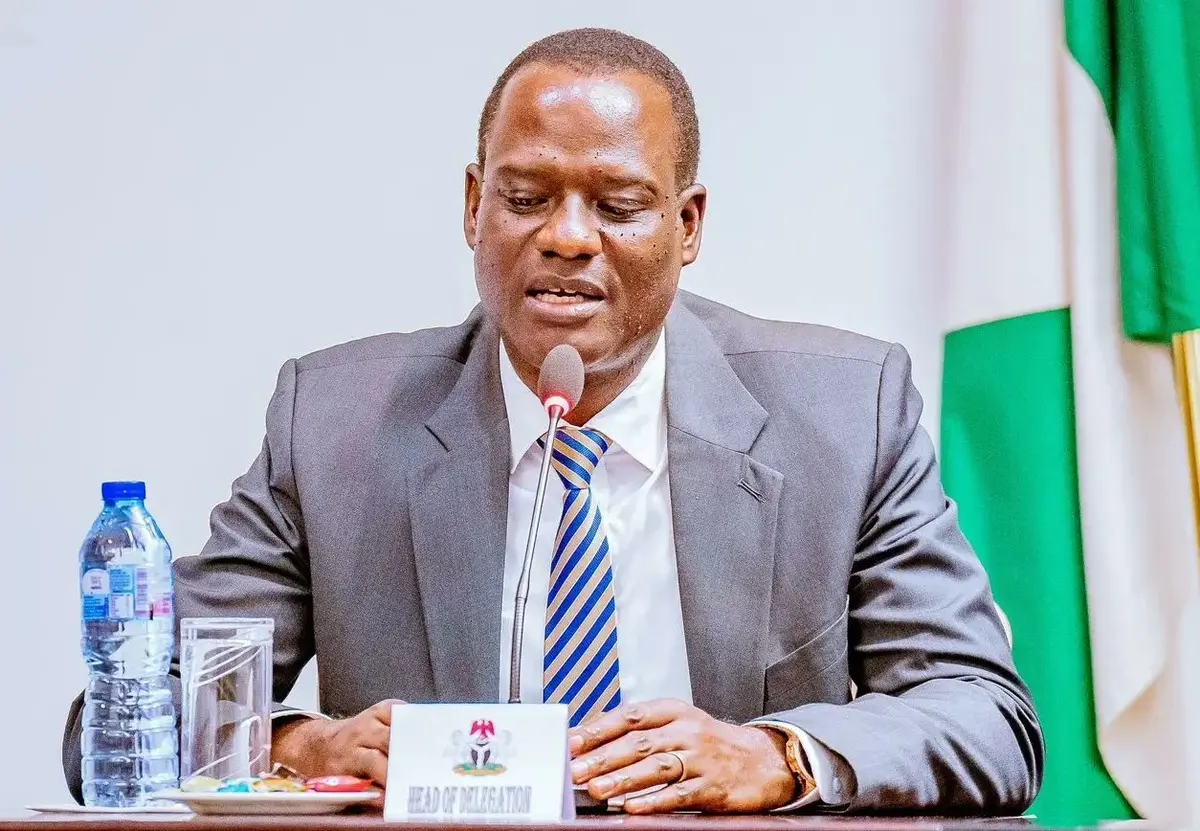
Joseph Osanipin, Director-General of NADDC, made the call at the Abuja launch of two digital platforms by GIG Mobility (GIGM), where he said the integration of transport, hospitality, leisure and other travel services could improve the mobility experience for Nigerians.
GIGM launched PASS by GIGM, an integrated travel and tours platform, and hireX, a premium vehicle hire and charter marketplace, as part of efforts to extend its operations beyond interstate road transportation.
Osanipin commended the company’s move to bring different mobility services together, including road transport, airline bookings, airport pick-up, vehicle hire, hospitality and leisure.
He, however, stressed that the success of such innovation would depend on the quality of service customers receive, warning that operators must sustain their performance after launching new products.
“Technology and innovation are important in transforming the transport sector, but they must be matched with reliability, trust and quality service delivery.
“The real work begins after the launch. What is important is the ability to sustain the service, build trust and ensure that customers get the reliability they expect,” he said
He said the company had transformed aspects of the transport business, but added that “the real work begins” after the launch, when it must demonstrate its capacity to deliver consistently.
Osanipin urged GIGM not to rest on its achievements, emphasising the importance of trust, reliability and customer service in building a sustainable mobility business.
The Federal Ministry of Transportation also expressed its openness to partnerships with private sector operators introducing innovations into the country’s transport system.
Usman Abubakar, Deputy Director, Road and Mass Transit, who represented Olufunso Adebiyi, Permanent Secretary of the ministry, welcomed the introduction of hireX and wished the company success.
Abubakar said he had known GIGM for about 20 years, adding that the ministry remained open to collaboration with businesses contributing to the development of the transport sector.
Speaking at the event, Enahoro Okhae, Chief Executive Officer of GIGM, said the launch reflected the company’s response to changing customer expectations and its ambition to expand beyond interstate transportation.
He explained that customers increasingly expecting convenience, speed, digital access and seamless experiences when making travel arrangements.
Okhae said the company was building an integrated ecosystem rather than offering isolated services.
According to him, the platforms are designed to broaden access to travel services, simplify movement and bring travel and lifestyle offerings together through technology.
He also disclosed that GIGM opened its Gwagwalada terminal a day before the Abuja launch, bringing its terminal network to 40 across West Africa.
“The world is changing and changing very fast, and as a company, we have to grow with that change. Customers today want convenience, speed, digital access and a seamless experience. They are no longer looking for isolated services; they want solutions that make their journeys easier and more convenient.
“That is why we are building an integrated ecosystem that brings travel and lifestyle services together. The future belongs to connected solutions, not isolated services. We have chosen to grow with the continent and respond to the changing needs of our customers. We have moved from just a transport company into a mobility ecosystem,” Okhae said
Charles Oloyede, Head of Product at GIGM, said technology was central to the company’s operations, supporting activities across about 150 touchpoints daily.
He said the company’s technology infrastructure was designed to support journeys across different transport options, including road and air travel, while connecting customers to services through its platforms.
Oloyede said customer confidence depended on operators fulfilling the services customers had paid for, adding that the company intended to offer customers in Abuja the same services available in Lagos.