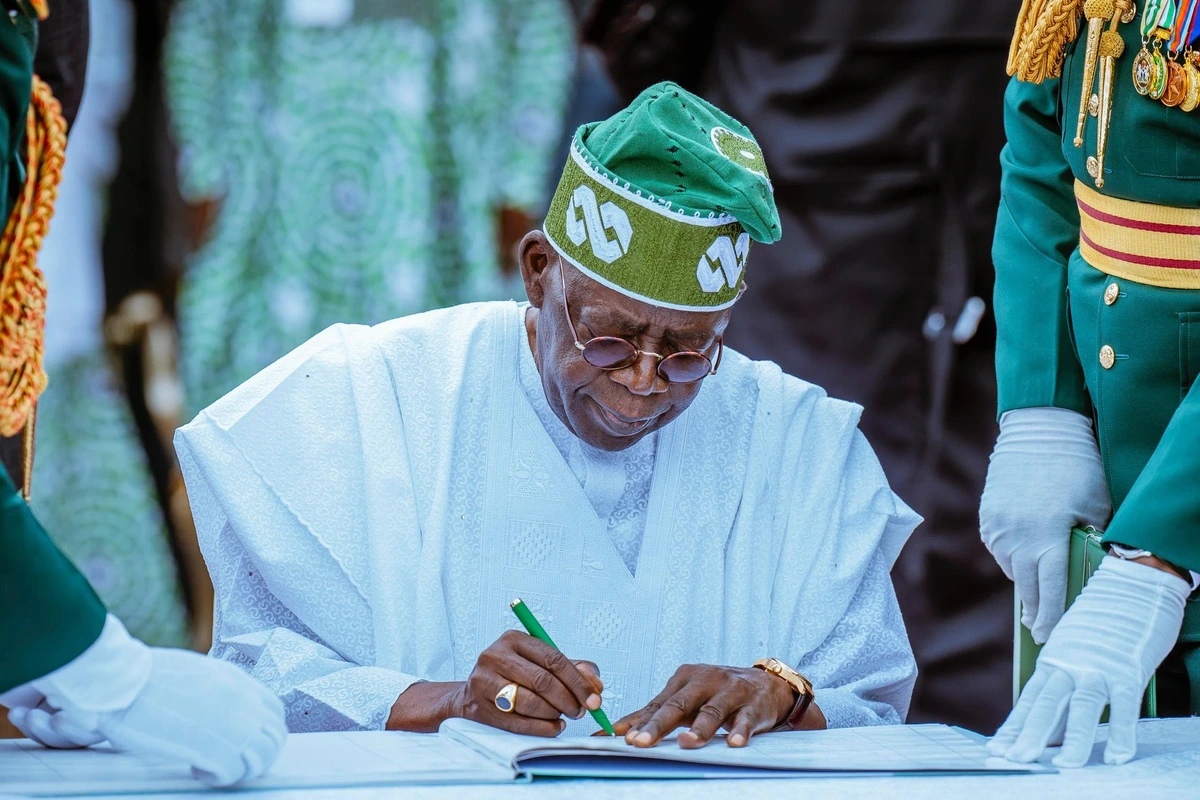
The Federal Government’s ₦18 billion payment to former Nigeria Airways workers is welcome, but it comes more than two decades too late for many. Some employees grew old waiting for their severance benefits; others died before receiving what they had earned, leaving their families to pursue the claims. The settlement exposes a failure that extends beyond one defunct airline: Nigeria can liquidate a public enterprise without ensuring that its obligations to workers are met. The test now is whether this overdue payment will lead to reforms that prevent future employees from paying the price for the government’s administrative failures.
According to the Federal Ministry of Finance, 2,100 former employees covered by batches one to seven have been paid, while the claims of another 600 beneficiaries in batches eight and nine were still being finalised. Together, the groups account for 2,700 workers and ₦18 billion in benefits. The government must clarify whether these payments cover all verified outstanding claims or whether further liabilities remain. It should disclose the number of beneficiaries still awaiting payment, the amount outstanding and a firm deadline for settlement. Until these questions are answered, the disbursement represents significant progress, but not necessarily proof that every obligation arising from the airline’s liquidation has been discharged.
Finance Minister and Coordinating Minister of the Economy Taiwo Oyedele acknowledged that some former employees grew old while waiting, while others died before receiving their entitlements. Their families must now navigate procedures to establish the rights of beneficiaries and representatives of deceased workers’ estates. Although these checks are necessary to protect legitimate claims, they add another administrative burden to families already denied timely access to money owed to their relatives. The government should publish a clear process and timetable for resolving these cases rather than allow documentation requirements to prolong the wait.
Read also: FG releases additional N4bn for 600 ex-Nigeria Airways workers
The delay in severance benefits impacts not only the final payment but also the workers’ transition, immediate financial obligations, and retirement preparations. If paid promptly, these funds could have supported essential needs like education and medical expenses. Inflation over time reduces their purchasing power, and for those whose relatives passed before receiving payments, the delay represents lost opportunities. While settlements address part of the financial obligation, they cannot undo the human cost of such postponement.
The episode also raises questions about how Nigeria restructures and disposes of public enterprises. Privatisation, concessioning and liquidation can attract investment, improve efficiency and reduce the fiscal burden of poorly performing businesses. The argument against these measures is not that public ownership must always be preserved. Rather, economic reform loses credibility when government addresses an enterprise’s commercial future without securing the employment obligations created by its past. Workers should not become involuntary financiers of restructuring through years of unpaid entitlements.
When an enterprise closes, the responsibility for outstanding claims can become fragmented among various authorities, complicating settlements due to incomplete records and disputed entitlements. While these are administrative challenges, they do not excuse unresolved verified claims. The government needs to clarify responsibility for liabilities, their funding, and payment timelines before restructuring to prevent workers from having to chase obligations across different institutions that may not accept responsibility or have the necessary resources.
The ministry asserts that the current settlement relies on verified entitlements without automatic inflation compensation. Verification is crucial to prevent fraud and safeguard public funds. However, it does not address who bears the costs of delays. The government needs to establish a legal framework to determine if interest or compensation is warranted for unpaid verified entitlements past deadlines. This framework should differentiate genuine disputes from established debts to prevent arbitrary claims on public funds, ensuring financial burdens do not disproportionately impact workers.
Read also: FG pays N18bn to former Nigeria Airways workers after two-decade wait
The first reform should establish employee liabilities as a formal requirement in public enterprise restructuring. Prior to privatisation, a verified schedule of outstanding wages, pensions, severance benefits, and contractual obligations must be prepared. This should include identifying the funding source, designating payment responsibility, and publishing a binding timetable. If immediate settlement isn’t feasible, a legally enforceable arrangement should secure the necessary funds. Ownership change or cessation of operations does not complete the transaction administratively.
Accountability must continue after the transaction. The responsible ministry and oversight institutions should maintain a public register of employee liabilities, showing claims verified, amounts paid, balances outstanding and reasons for delays. Quarterly reporting would allow workers, unions, legislators and the public to track progress. A complaints and appeals process should also specify deadlines for resolving disputed claims. For Nigeria Airways, the immediate priority is to publish a definitive account of remaining liabilities, explain the obstacles to outstanding payments and set a deadline for completing the settlement, including claims involving deceased beneficiaries.
The ₦18 billion payment is an important step towards closing a painful chapter in Nigeria Airways’ history, but its value will depend on what follows. The government must complete outstanding payments, clarify whether further verified liabilities exist and ensure that future public-enterprise transactions protect workers from similar uncertainty. A reward for years of service should arrive when it can still shape a life, not after the opportunity has passed. Nigeria should make this settlement a lasting lesson in public administration: verify obligations before restructuring, secure the funds to meet them, publish deadlines and hold responsible institutions to account. No future generation of workers should have to spend its retirement pursuing money already earned, and no family should be left to claim in death what a loved one was owed in life.