Obiex says Nigeria’s stablecoin market is far more efficient than it was in 2018 and 2019, when the gap between buying and selling a dollar of crypto in naira ran as wide as ₦20 to ₦30. Demand has scaled since, but the supply behind it is still spread across many small sellers.
That’s the current state of Nigeria’s stablecoin market, according to Temitayo Sadique, managing director of Obiex Business, the business arm of Nigerian crypto exchange Obiex.
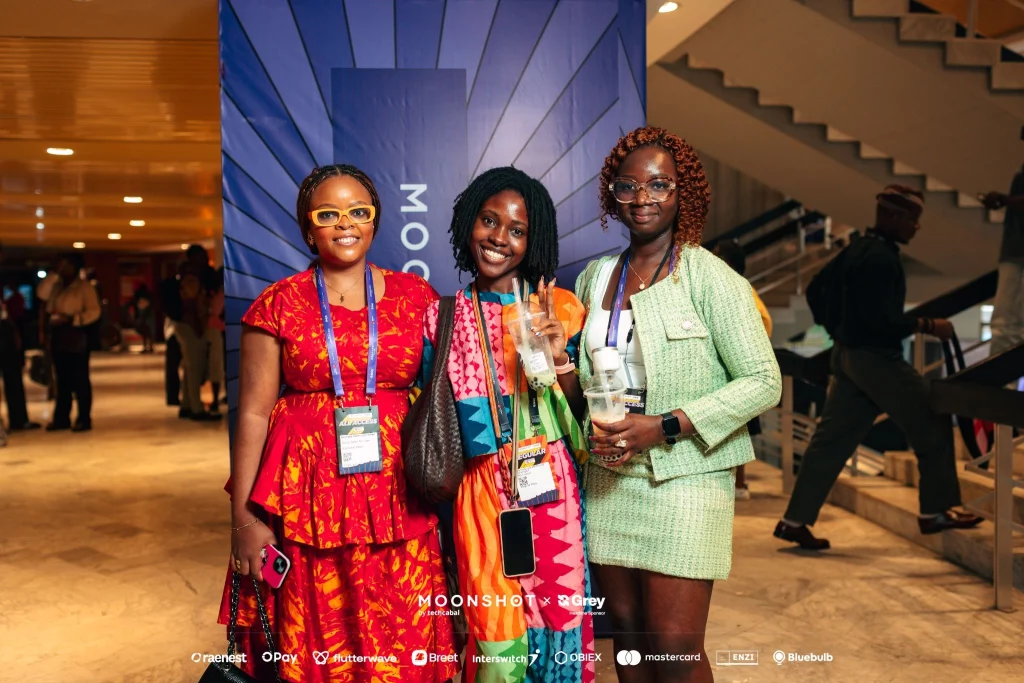
“Because of the exceptional need for stablecoins from cross-border trade and remittances, and crypto exchanges cropping up every day, we’ve seen demand scale,” Sadique said at Moonshot by TechCabal. “But supply, on the other hand, has remained scattered.”
Sadique said $19 billion in stablecoins came into Nigeria in 2025. The country has taken about 60% of sub-Saharan Africa’s stablecoin inflows since 2019, according to a June report by the International Monetary Fund.
Scattered supply makes that volume expensive to move. A company filling a $1 million order might deal with 10 peer-to-peer (P2P) traders, Sadique said, each selling a slice at a slightly higher rate: ₦1,400 per dollar, then ₦1,402, then ₦1,403. By the end, its average price is worse than the first quote. As volumes grow, he argued, platforms that can fill large orders at one price will set the terms for everyone else.
Obiex has built its business on that bet. It began in 2016 as Paylot, a crypto payment gateway, before shifting to converting crypto into naira when it saw that was what users wanted. It has never raised venture funding.
Sadique said 105,000 merchants in Nigeria, Ghana and Cameroon now trade on Obiex, alongside more than 100 businesses, from exchanges and remittance companies to fintechs. By his count, $1 of every $10 in stablecoins that moved through Nigeria last year went through Obiex.
For Sadique, liquidity means delivering money on time. Promising someone $100 next week means little if the money isn’t there when the week comes, he said. “It’s kind of like a supply-chain question, where you’re answering: can I fulfil this obligation now, when the customer needs it?” Obiex’s answer includes credit that lets clients take liquidity today and settle tomorrow, and price locks while crypto deposits are still confirming.
For large trades, Obiex offers a quote system that fixes the rate on orders of $1 million to $10 million. “We don’t just give you an average price to execute your transaction; we give you a quote and lock in that price for you,” Sadique said.
Regulation is already pushing the market toward bigger players. Since January, Nigeria’s Securities and Exchange Commission has required crypto exchanges and custodians to hold ₦2 billion in minimum capital, up from ₦500 million, a bar many smaller platforms will struggle to clear.
In Sadique’s view, an efficient stablecoin market is one where a $1 million order clears at a single price, and that depends on who can supply liquidity when it is needed.