The real test of the National Economic Council’s 90-day economic action plan will be whether it brings tangible relief to Nigerians struggling with the rising cost of living, particularly the prices of food and transportation, as the government points to falling food prices while many households continue to battle mounting expenses.
While the Federal Government has pointed to falling prices of some food items as evidence of economic progress, many Nigerians continue to face difficult choices over how to feed their families and meet other household needs.
For them, the economic debate is not simply about inflation figures or government assurances. It is about how much food their money can buy and whether their earnings can last until the end of the month.
In Ajah, Lagos, Iya Junior, a market woman, operates in an environment where the cost of goods and customers’ purchasing power influence daily sales. When customers struggle to afford their usual quantities, traders also face the challenge of sustaining their businesses while keeping goods within reach of buyers.
For Segun, a father of four, the pressure is felt at home. Feeding a family of six requires balancing food expenses with transportation, school costs, electricity and other necessities. Any increase in these expenses places additional pressure on the household budget.
Their experiences raise a crucial question: will NEC’s latest intervention translate into meaningful relief for Nigerians within three months?
Government reports falling food prices
The Presidency has defended President Bola Tinubu’s economic reforms, arguing that Nigeria has recorded progress despite the difficulties associated with petrol subsidy removal and foreign exchange reforms.
Bayo Onanuga, the president’s special adviser on information and strategy, recently said a 50-kilogramme bag of rice that previously sold for about N120,000 was now available for below N50,000 in some markets. He also cited a price of N45,000 in his hometown and pointed to improvements in foreign reserves as signs of economic progress.
However, the price of rice alone cannot determine whether the cost of feeding a family has become affordable. Households must also pay for beans, garri, cooking oil, vegetables, meat and transportation.
Prices also vary across markets and locations, meaning that reductions reported in one area may not reflect what consumers pay elsewhere.
A decline in the inflation rate does not necessarily mean prices have returned to previous levels. It means prices are rising more slowly, while the cost of essential goods may remain beyond the reach of some households.
NEC outlines five priority areas
At its meeting on October 22, NEC endorsed a 90-day economic action plan focusing on food affordability, tax harmonisation, high-impact projects, investment bottlenecks and regulated household support.
The council also proposed a national dashboard to track projects and improve transparency around public spending, including the use of funds saved from petrol subsidy removal.
Transportation is another focus. NEC agreed to develop a joint financing framework for federal and state governments to accelerate the deployment of compressed natural gas (CNG) and electric vehicles.
The initiative is expected to reduce transport operating costs, with relevant authorities directed to engage transport unions and operators to ensure that savings translate into lower fares for commuters.
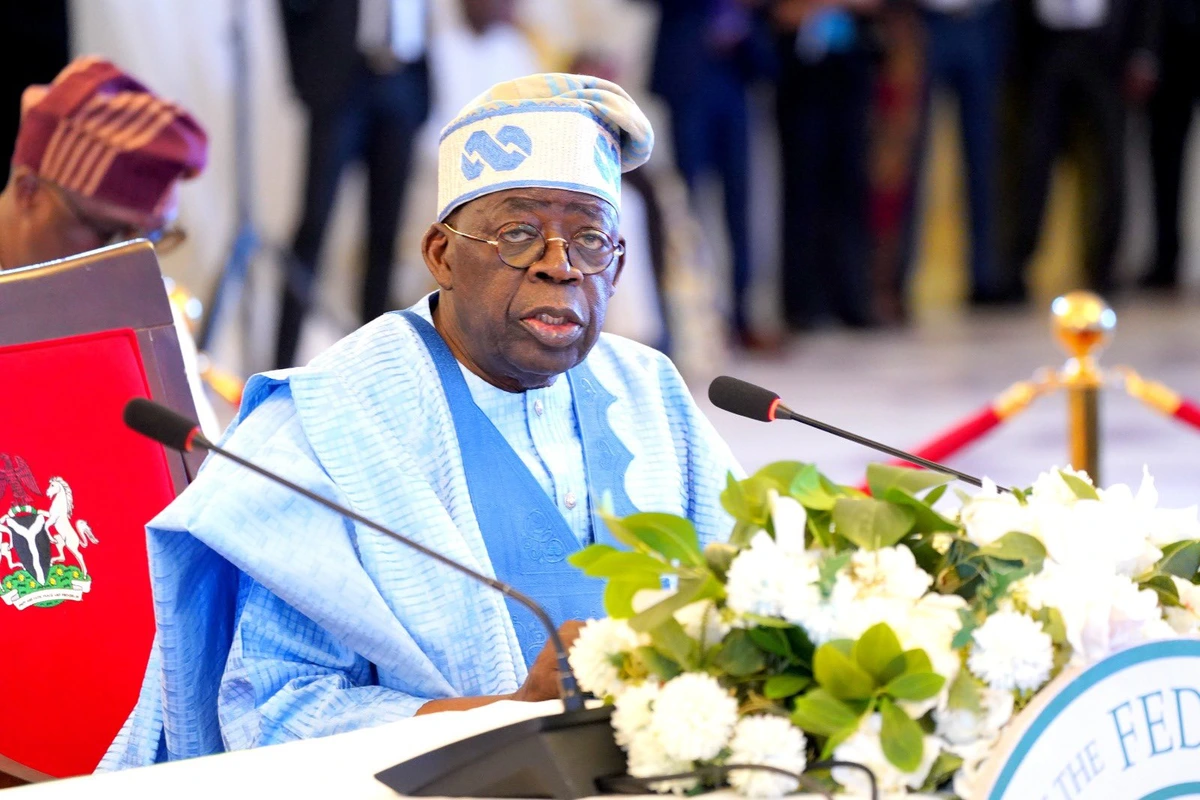
Vice President Kashim Shettima said the success of economic policies should be measured by their impact on people’s lives.
However, the announcement left questions about implementation timelines, funding arrangements and how the impact of the plan would be measured. These details will be important in determining whether the intervention produces tangible results.
Economic figures versus household realities
Economist Aliyu Ilias has previously called for better data showing how inflation affects households, including the cost of food, transport, rent, electricity and healthcare.
His position highlights why economic performance cannot be judged by headline inflation figures alone. Even when inflation slows, households may continue to struggle with prices that remain high relative to their incomes.
The same challenge applies to transportation. Introducing more CNG-powered buses will not automatically ease commuters’ burdens unless the initiative leads to affordable fares and accessible services.
Similarly, a national project dashboard could improve transparency, but its usefulness will depend on whether it provides clear information about public spending, project completion and benefits to citizens.
The 90-day test
NEC’s plan offers an opportunity for federal and state governments to turn economic commitments into practical relief. Its success, however, will depend on effective implementation and measurable improvements in household spending.
Nigerians will be looking for more affordable food, lower transport fares and support that reaches households that need it most.
The government’s claim that some food prices have declined and its promise to improve affordability can both be examined against market prices and household experiences.
For Iya Junior, Segun and millions of other Nigerians, the ultimate measure will be whether their income can cover more of their essential needs.
As the 90-day period unfolds, the question is whether the plan will deliver relief that Nigerians can see in the markets, on the roads and around their dining tables.