×
Tech

Verve plans phone tap-to-pay and AI agent payments, CEO says

Verve plans phone tap-to-pay and AI agent payments

Verve, Nigeria’s largest card scheme, plans to let customers pay by tapping their phones and, eventually, to let AI assistants make payments on their behalf, its chief executive, Vincent Ogbunude, said on Thursday.

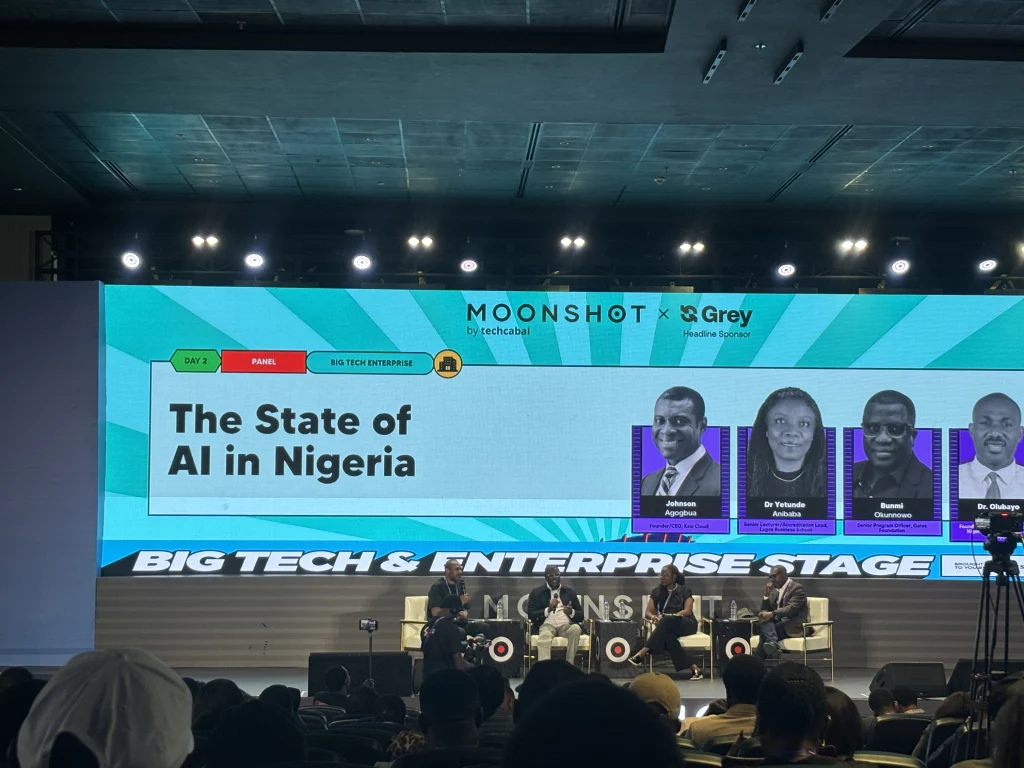
Speaking on the Big Tech and Enterprise Stage at Moonshot by TechCabal on 29 October, Ogbunude described the plans as the next step in removing friction from payments. “The greatest cost in payments is friction,” he said. Every extra step, from typing an account number to retrying a failed transfer, adds cost, he argued.

The plans build on a push Verve began last year. TechCabal reported in December that Verve had passed 100 million cards and was moving into contactless payments and tokenisation, which replaces card details with a one-time code. Verve now has 130 million cards, Ogbunude said.

Tap-to-pay on phones would let customers pay with a device they already carry, without a physical card. Agentic payments go further: an AI assistant, acting on a customer’s instructions, would find and complete a purchase without the customer handling each step. 

Global card networks are moving the same way. Visa and Mastercard both announced programmes in 2025 to let AI agents make payments for cardholders.

Verve is the card scheme of Interswitch, the Nigerian payments company. Ogbunude framed Interswitch’s history as a run of fixes for friction: before it, customers had to visit their own bank’s branch to withdraw cash; its network let them use cards at any bank’s ATM, and it later built Quickteller, POS terminals and Verve.

The volumes involved are large. The NIBSS Instant Payment system processed about 11.2 billion transactions worth ₦1.07 quadrillion in 2024, the latest full-year figure from the Nigeria Inter-Bank Settlement System.

If Verve delivers, the measure of progress in Nigerian payments shifts from how many people hold a card to how few steps it takes to pay. For a market where most payments now happen by transfer, the bigger question is whether customers and banks will trust software to spend money for them.

§

Grey is building its own payment connections between African markets to make cross-border transfers more reliable and to secure the foreign currency needed to settle them, Idorenyin Obong, its co-founder and chief executive, said at a press briefing at Moonshot by TechCabal 2026 on Thursday.

“We have invested in building rails within Africa,” Obong said.

Grey lets individuals and businesses send and receive money across markets including Nigeria, Kenya and Ghana. Moving money between African countries remains slow and costly because payment systems are fragmented, each conversion adds a fee, and dollars or other foreign currency are often scarce.

Obong named two problems. The first is reliability: making sure money arrives when the customer was told it would. The second is liquidity: finding enough of the right currency to complete the transfer. Grey has partnered with providers across its markets to source those currencies and settle transfers in real time, he said.

Most transfers between two African currencies have traditionally gone through the US dollar first. Grey says it now converts directly between some African currencies.

“The crux of the matter is that there used to be a need for an intermediary, but we have built out these exotic currency pairs so that you don’t have to go that extent,” Obong said.

The push follows two product launches this year. In February, Grey launched Grey Business, a multi-currency account for startups and small businesses. In July, it added local-currency deposits in Ghana and Kenya, letting users fund accounts by bank transfer or mobile money.

Regulators are working on the same problem. In June, TechCabal reported that the Central Bank of Nigeria was pursuing closer regional payments integration, including links to the Pan-African Payment and Settlement System (PAPSS), which lets African countries settle cross-border payments in their own currencies.

If companies like Grey can settle directly between African currencies, a trader in Lagos paying a supplier in Nairobi would no longer need to buy dollars first, removing one of the costliest steps in trade within the continent.

Web hosting by Somee.com