World
Five key takeaways from the UK Autumn Budget
Reading in data-saving mode. Read full article from Aljazeera website.
Published 10/28/2026 1:46:45 PM
Five key takeaways from the UK Autumn Budget | Politics News
The United Kingdom’s government has announced its first budget since Andy Burnham became prime minister and leader of the Labour Party three months ago.
Chancellor of the Exchequer John Healey unveiled his Autumn Budget on Wednesday, announcing a series of policies that he said were for the “working people of Britain”, who have experienced a dramatic decline in living standards in recent years. Healey said the budget would give the country “breathing space” after years of economic stagnation fuelled by austerity, Brexit, the coronavirus pandemic, privatisation and rising energy prices.
Recommended Stories
list of 3 itemsend of listSo, what did Healey announce, and what will it mean for the average Brit?
Energy costs
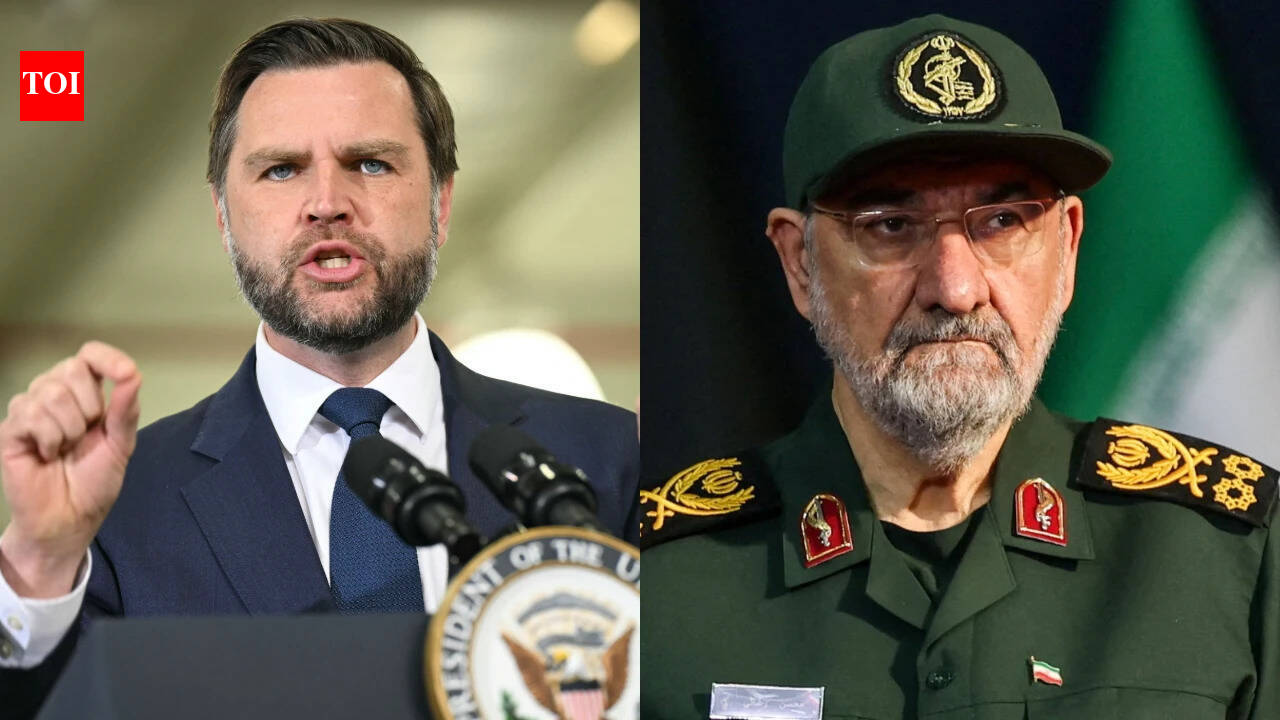
Global fuel prices have soared in recent months because of the US-Israel war on Iran, which has prompted Tehran to close the Strait of Hormuz, a crucial waterway through which about 20 percent of the world’s oil and liquefied natural gas (LNG) would normally transit.
In response, Healey said on Wednesday that 20 million households will receive a one-off payment of 100 British pounds ($133) towards their energy bills. People living in homes valued at 88,000 British pounds ($117,000) or less will receive the payment. The valuations are based on prices in April 1991, not current house prices.
Healey also said a temporary cut to VAT – a sales tax – will be extended until 1 July. The measure will reduce the annual price cap by 50 British pounds ($66.50).
However, James Meadway, an economist and co-director of the left-wing think tank Verdant, told Al Jazeera that these measures will not tackle the cost-of-living crisis in “any serious way”.
Advertisement
“There’s quite a lot of small things. These are not nothing. They’re just not approaching the scale of the problem that people are already facing and [which] is expected, according to the government’s own figures, to get worse over the next year,” Meadway said.
Earlier on Wednesday, the Office for Budget Responsibility (OBR), an independent public body that analyses the country’s finances, said it expected no growth in real earnings next year. The body also sharply downgraded its growth forecast for 2027 to 1 percent, from 1.5 percent.
“There are forecasts out there saying that by the end of Parliament, it will be the worst Parliament for living standards in modern history. Put in those terms, what you got in this budget was nothing like enough,” Meadway added.
Defence spending
Healey said he would fund the government’s additional Defence Investment Plan, worth 15 billion British pounds ($20bn), and pledged to plug a gap of 4.7 billion British pounds ($6.2bn) by “reprioritising” budgets across other departments.
However, he did not detail how the government would meet its NATO commitment to spend 3.5 percent of gross domestic product (GDP) on defence by 2035, with an interim target of three percent in 2030. Instead, Healey said he would set out how these targets would be met during a spending review next year.
In response, NATO Secretary-General Mark Rutte welcomed the British government’s budget plan, saying it showed a “strong commitment” to defence.
“Good news on the new budget from MP John Healey with a strong commitment on defence,” wrote Rutte on X.
“The UK role in Transatlantic security is vital, and I welcome this move to put Britain on a credible path towards meeting the commitment made by all NATO Allies in The Hague – to ensure we’re all investing what’s needed to remain ready and able to deter aggression and defend our freedom and security,” Rutte added.
Ukraine was also on the agenda during Healey’s budget statement, with the chancellor pledging an additional 10 billion British pounds ($13.2bn) in economic and military aid for Kyiv in its war with Russia.

Salaries
The National Minimum Wage and National Living Wage will both increase by 3.9 percent in April, at the start of the new tax year. The former currently sets a minimum hourly rate of 10.85 British pounds ($14.44) for workers aged 18 to 20, while the latter sets the rate at 12.71 British pounds ($16.91) for workers aged 21 and over.
Advertisement
Taxes on banks’ profits
To raise funds for additional support for households and businesses, the government will temporarily increase the Bank Corporation Tax Surcharge from three percent to six percent. The increase will last for 15 months, ending on March 31, 2028. The surcharge is levied on top of standard corporation tax and is expected to raise 1.5 billion British pounds ($2bn).
Housing crisis
Affordable housing is a significant problem in the UK. The latest data from the Office for National Statistics (ONS) shows that 35 percent of men aged 20 to 35 were living at home with their parents last year, compared with 22 percent of women in the same age range.
To tackle this, Healey announced a new First Time Buyer savings account. Interest earned in such accounts, commonly referred to as Individual Savings Accounts (ISAs), is tax-free.
The First Time Buyer account will launch in 2029, replacing the current Lifetime ISA. The exact details of the new account are not yet clear. However, like the Lifetime ISA, it will pay savers a bonus of 25 percent on deposits of up to 4,000 British pounds ($5,320). That means savers can benefit from an annual government bonus of up to 1,000 British pounds ($1,330).
Healey also announced that the penalty for first-time buyers using funds from a Lifetime ISA to purchase a house worth more than 450,000 British pounds ($598,853) will immediately be reduced to 20 percent. That means savers will get back at least what they put in. The penalty was previously 25 percent.
A further 432 million British pounds ($574.9m) will also be spent over the next two years to reduce the number of people sleeping on the streets, a problem that Burnham has pledged to end.