
The Pan-African School Games 2026 brought together young athletes from schools across Lagos for three days of swimming, athletics and football, celebrating sporting talent, school pride and the opportunities that organized competition can create for children and young people.
Held at James Hope College, Lekki, from 16 to 18 October, the second edition of the Games featured the U-11, U-13 and U-15 categories. Students competed for individual honours and school points while gaining valuable experience in a structured, multi-sport environment.
The competition also welcomed sporting stakeholders and scouts, reinforcing the wider ambition of the Pan-African School Games: to give young athletes a platform where their abilities can be demonstrated, recognized and developed.
Building on the Inaugural Games
The second edition of the Pan-African School Games built on the foundation established by the inaugural Games in 2025, continuing the vision of creating meaningful sporting opportunities for young athletes.
The 2026 edition welcomed schools and student-athletes for three days of swimming, athletics and football, providing a platform for competition, talent development and school pride.
Beyond the sporting results, the Games continued to advance a broader ambition: to connect schools, athletes, sporting stakeholders and educational institutions while creating opportunities for young people to develop their abilities and explore future pathways through sport.
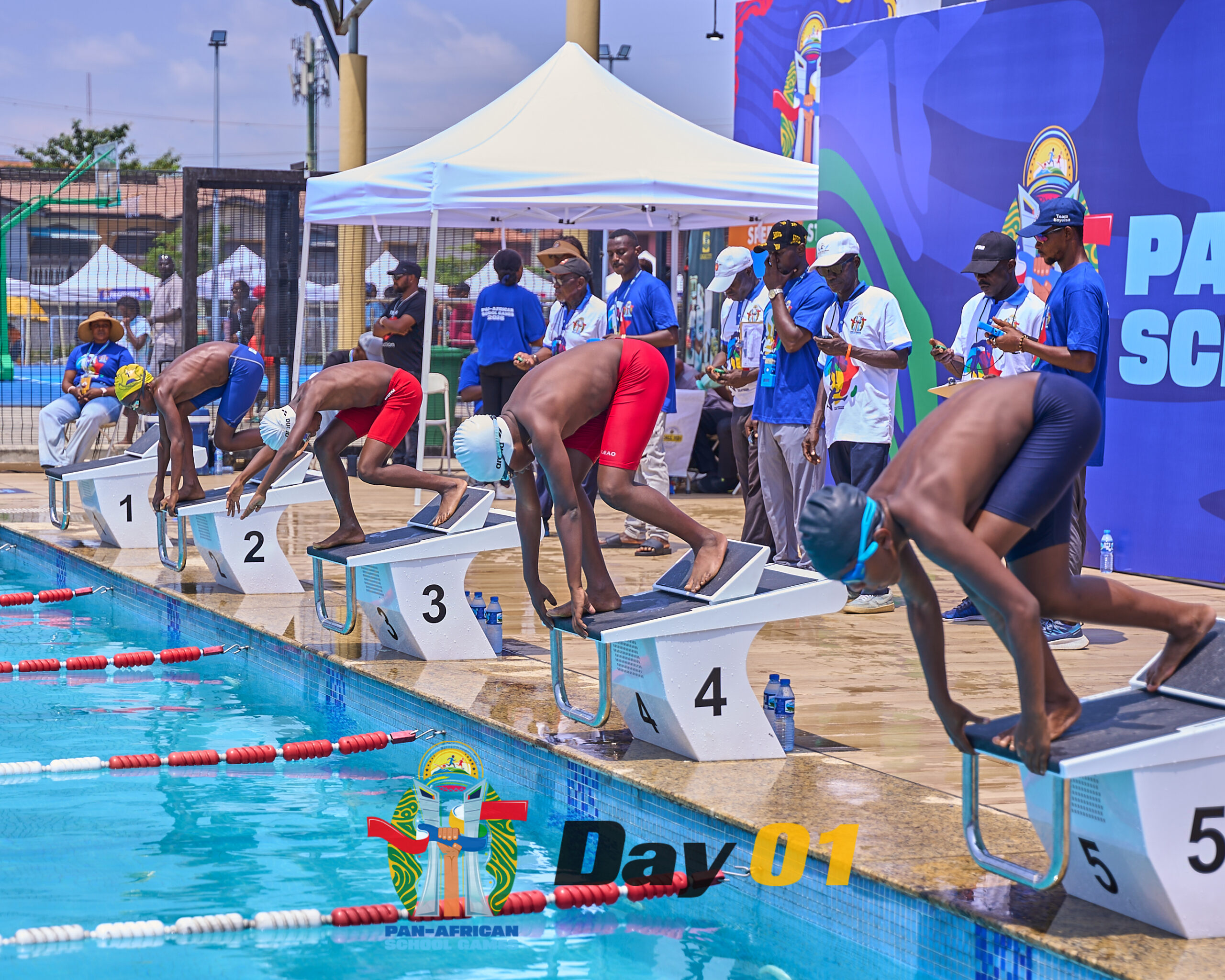
Day One: Swimming Opens the Games
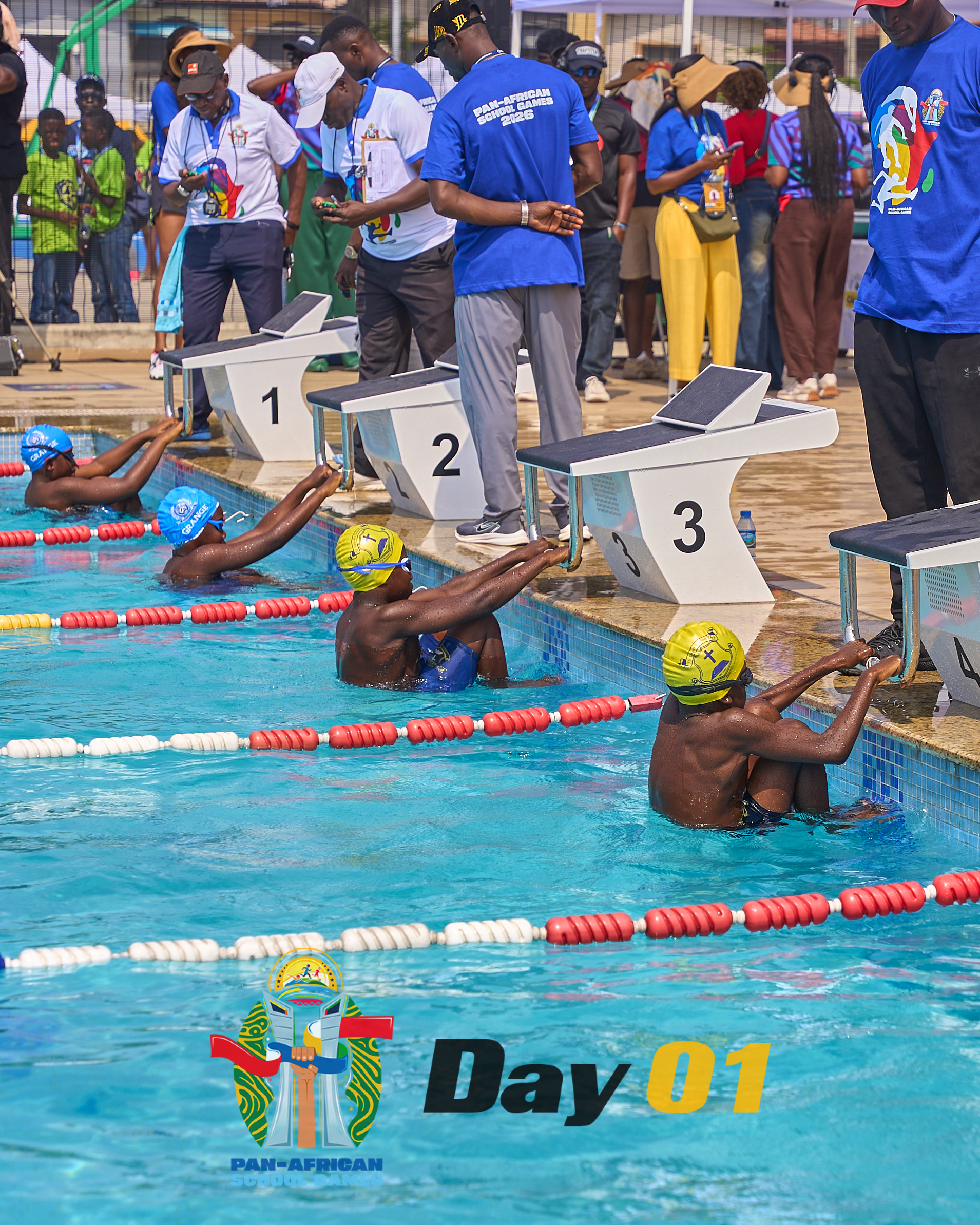
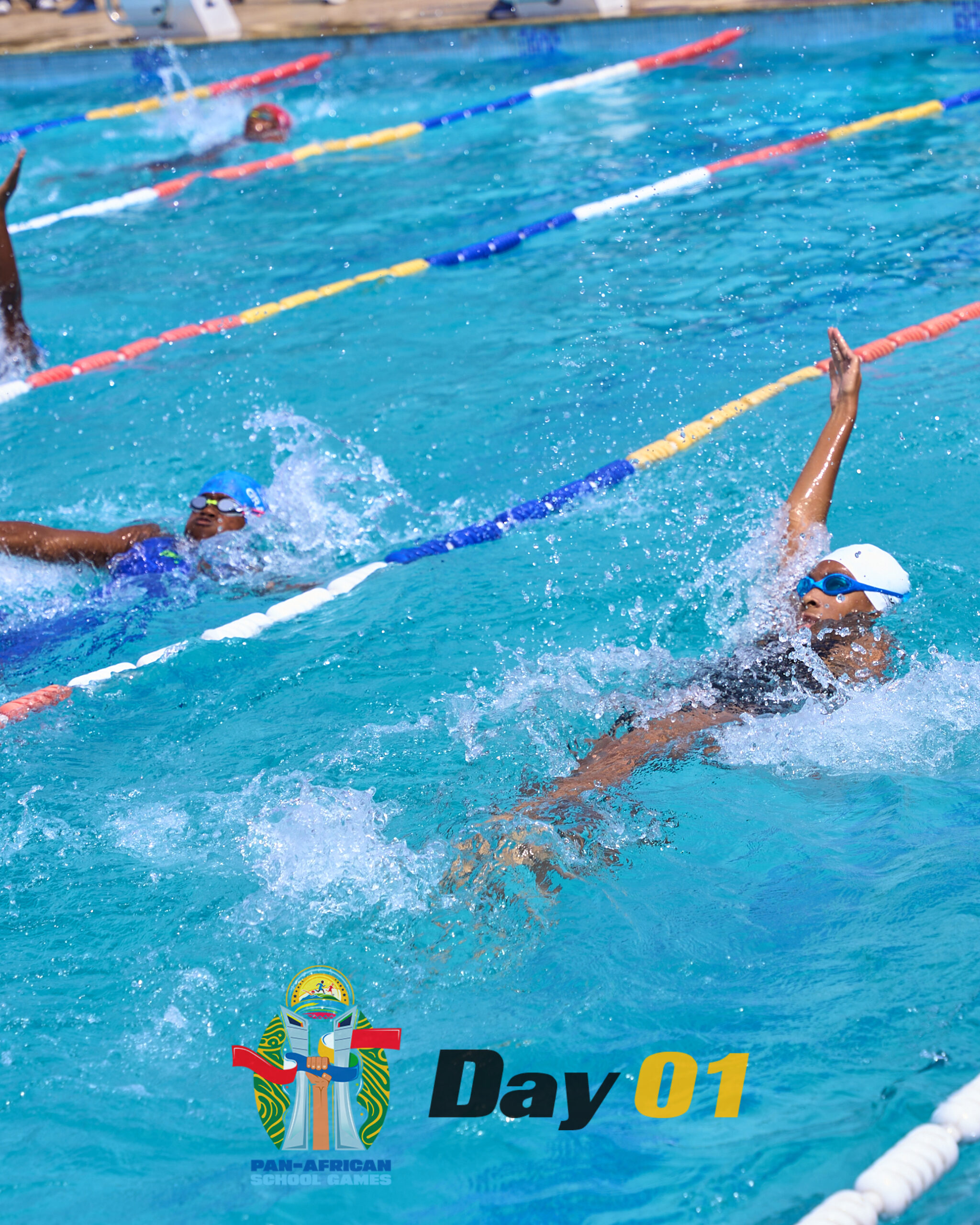
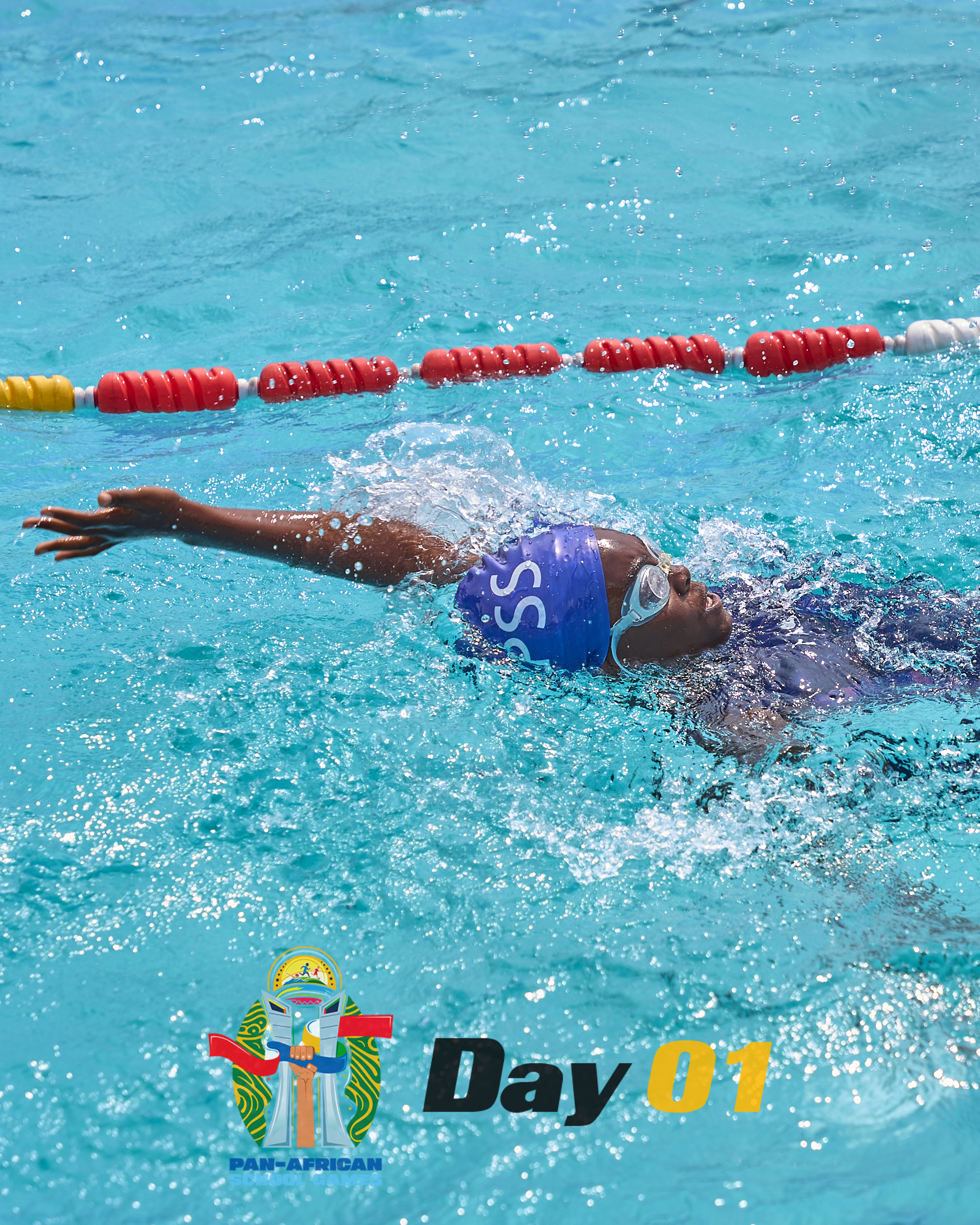
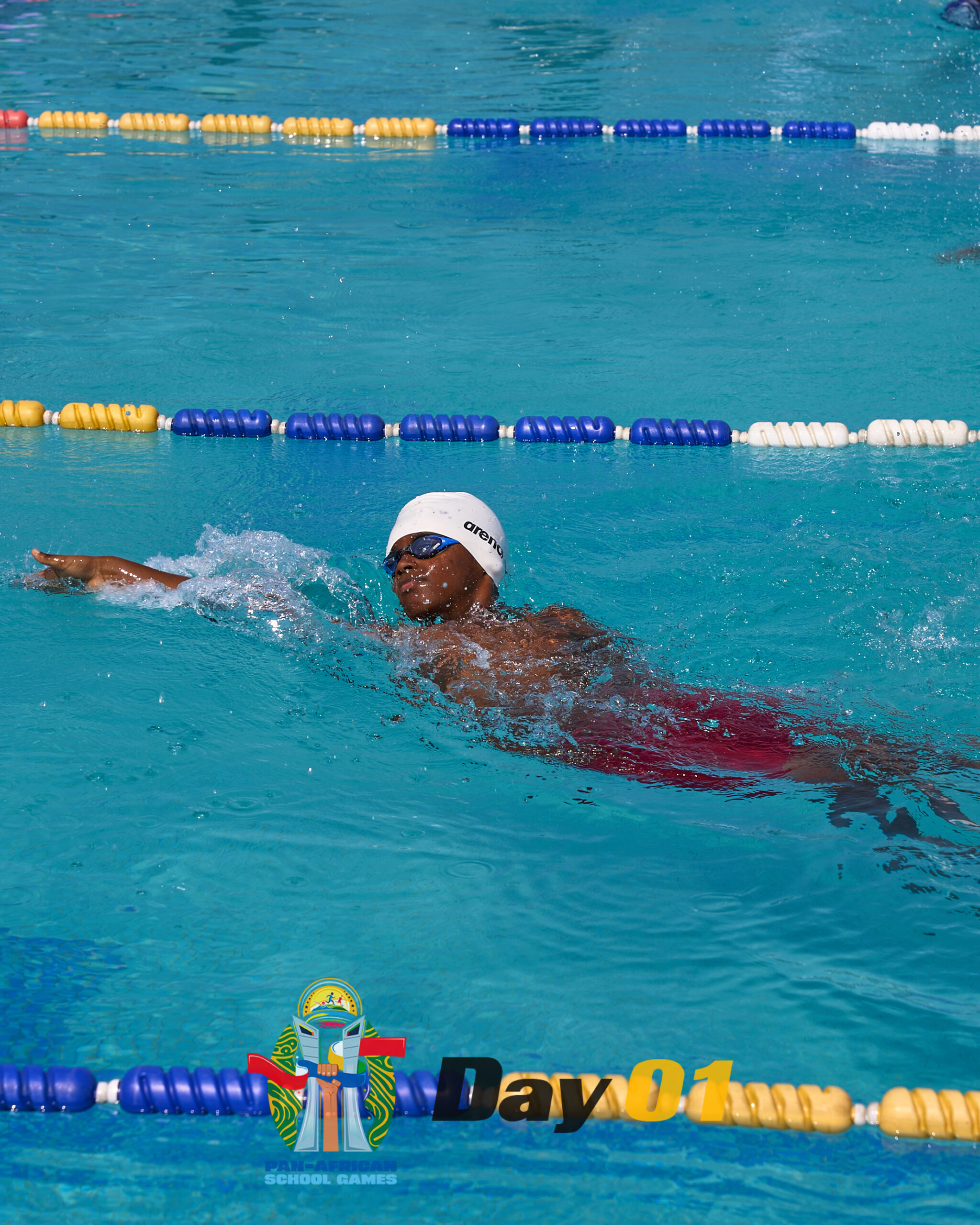
Swimming opened the competition, bringing young swimmers together for races across the U-11, U-13 and U-15 categories.
The opening day set the pace for the Games as athletes took to the pool to test their abilities, pursue strong performances and earn points for their schools. The races highlighted the preparation, discipline and technique required to compete, while providing young swimmers with valuable experience in a formal sporting environment.
For many of the students, the opportunity to compete alongside athletes from other schools added to the significance of the experience. Each race contributed to the overall competition, with schools beginning their campaigns for medals and category honours.

Day Two: Athletics Puts Young Athletes to the Test
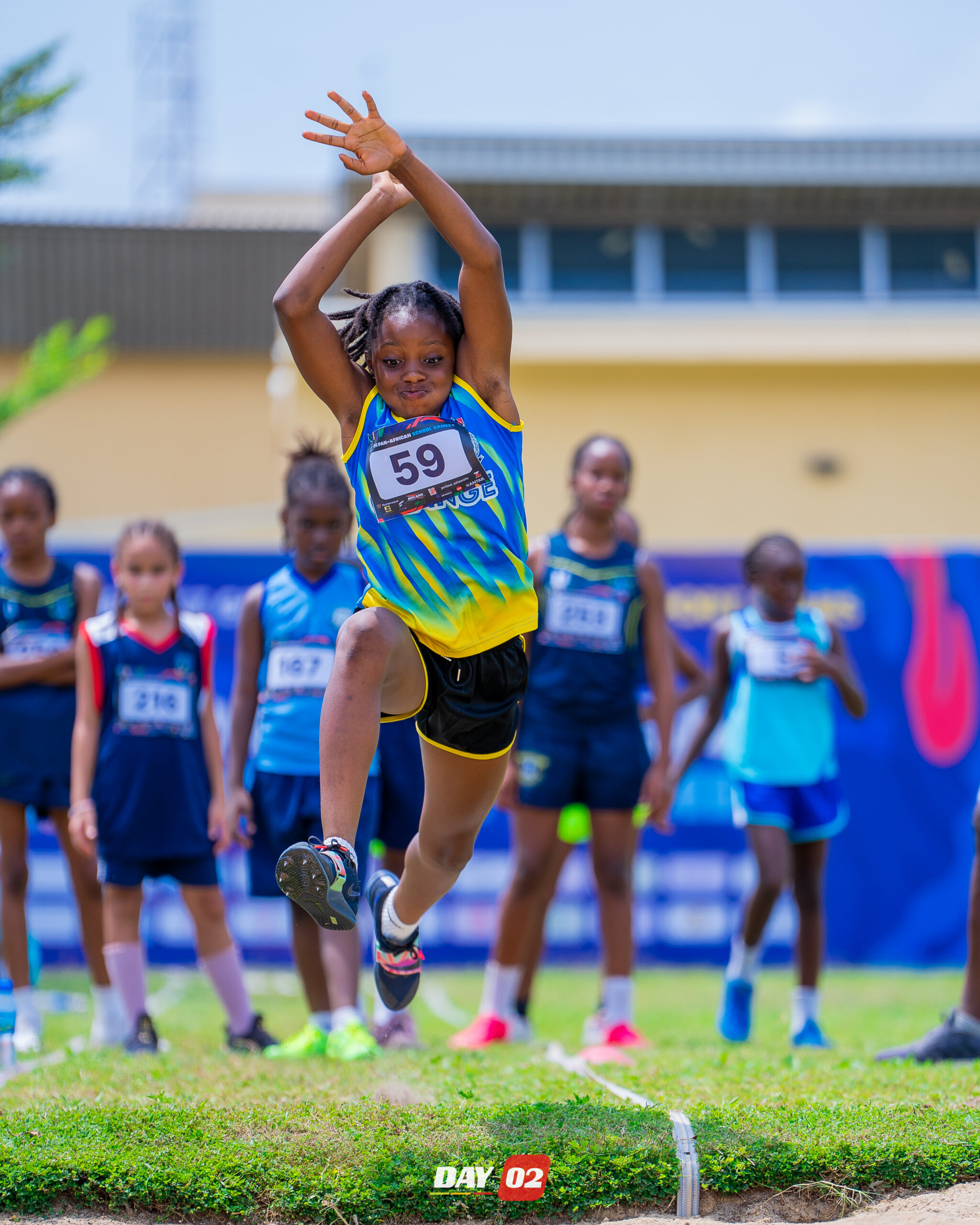
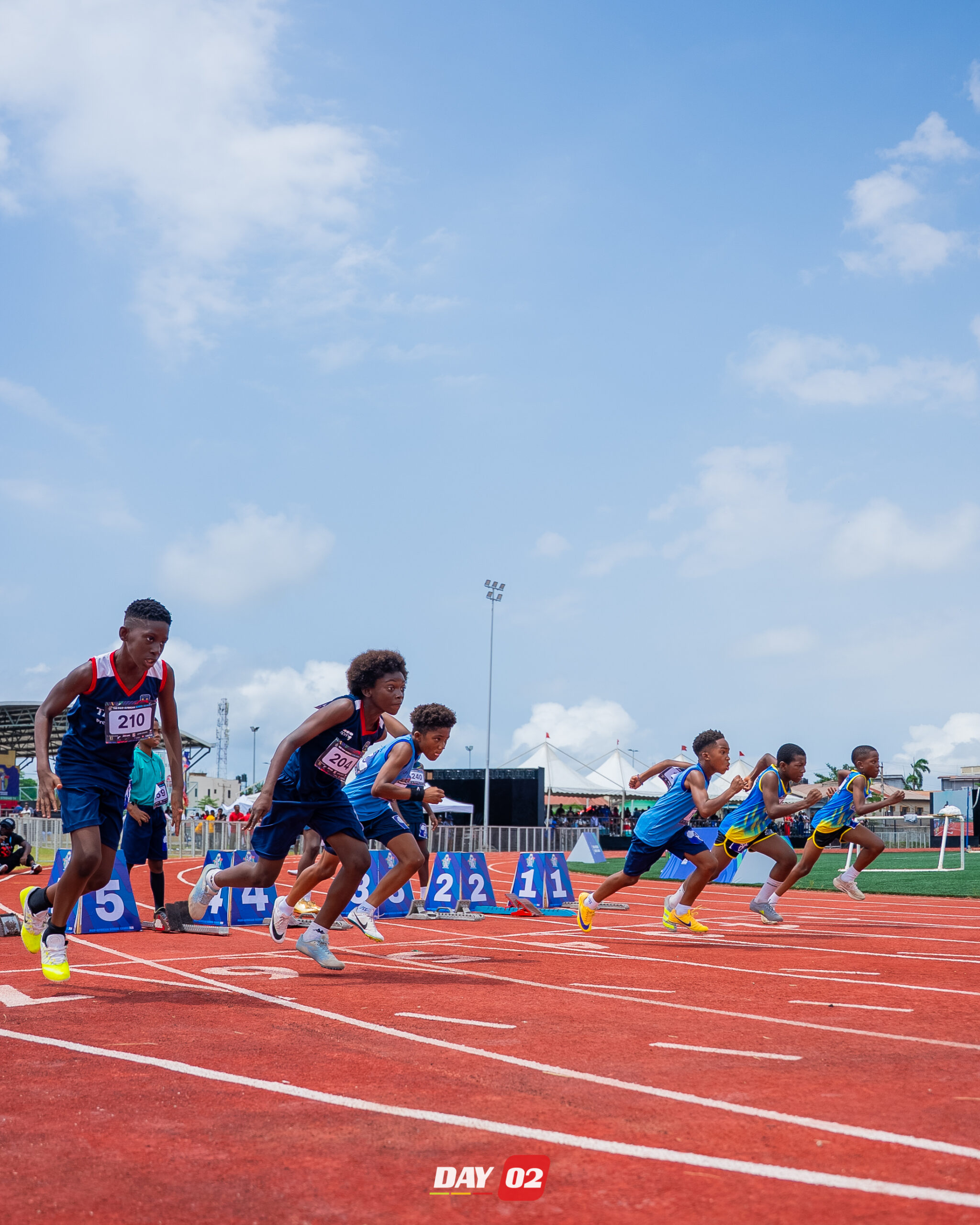
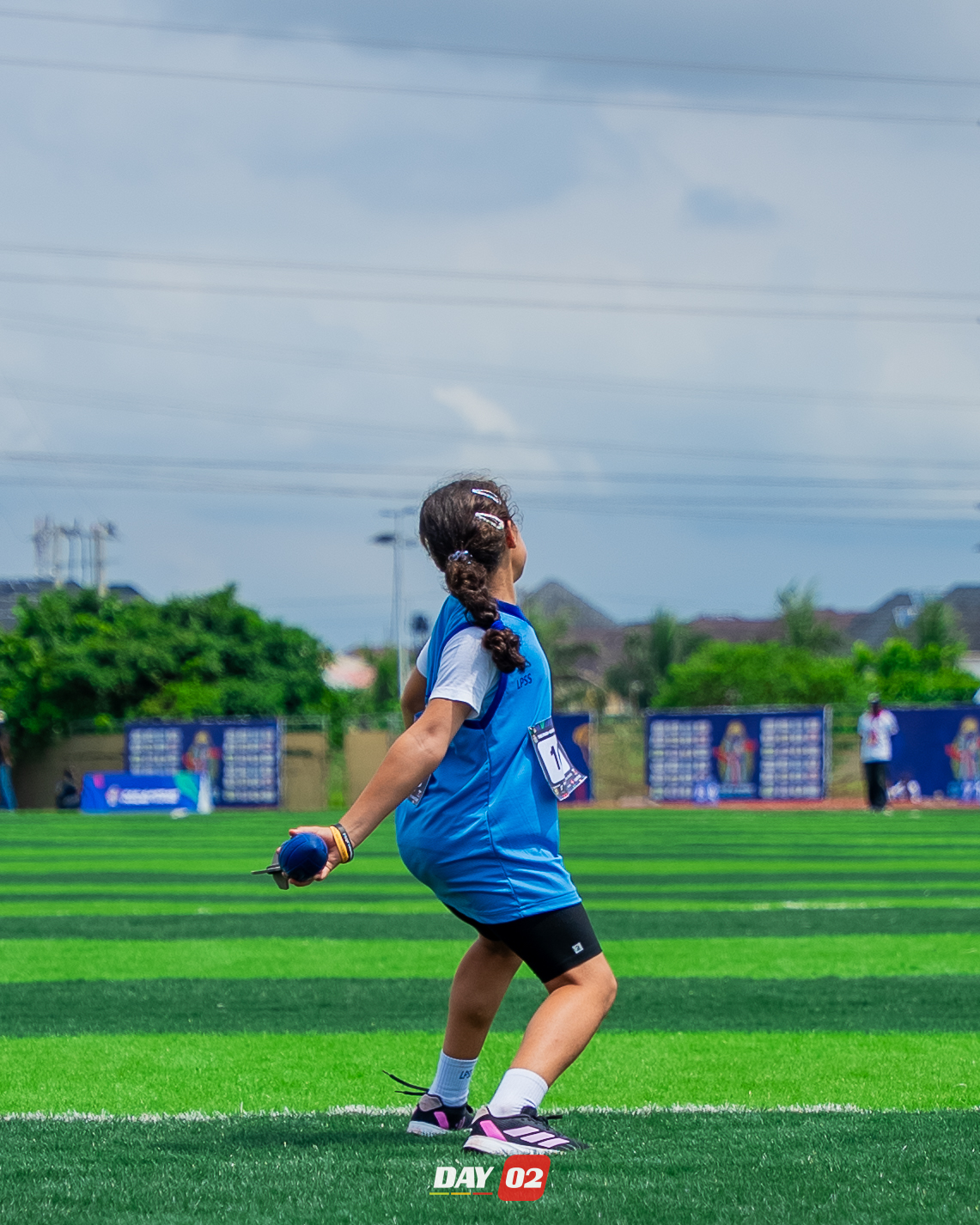
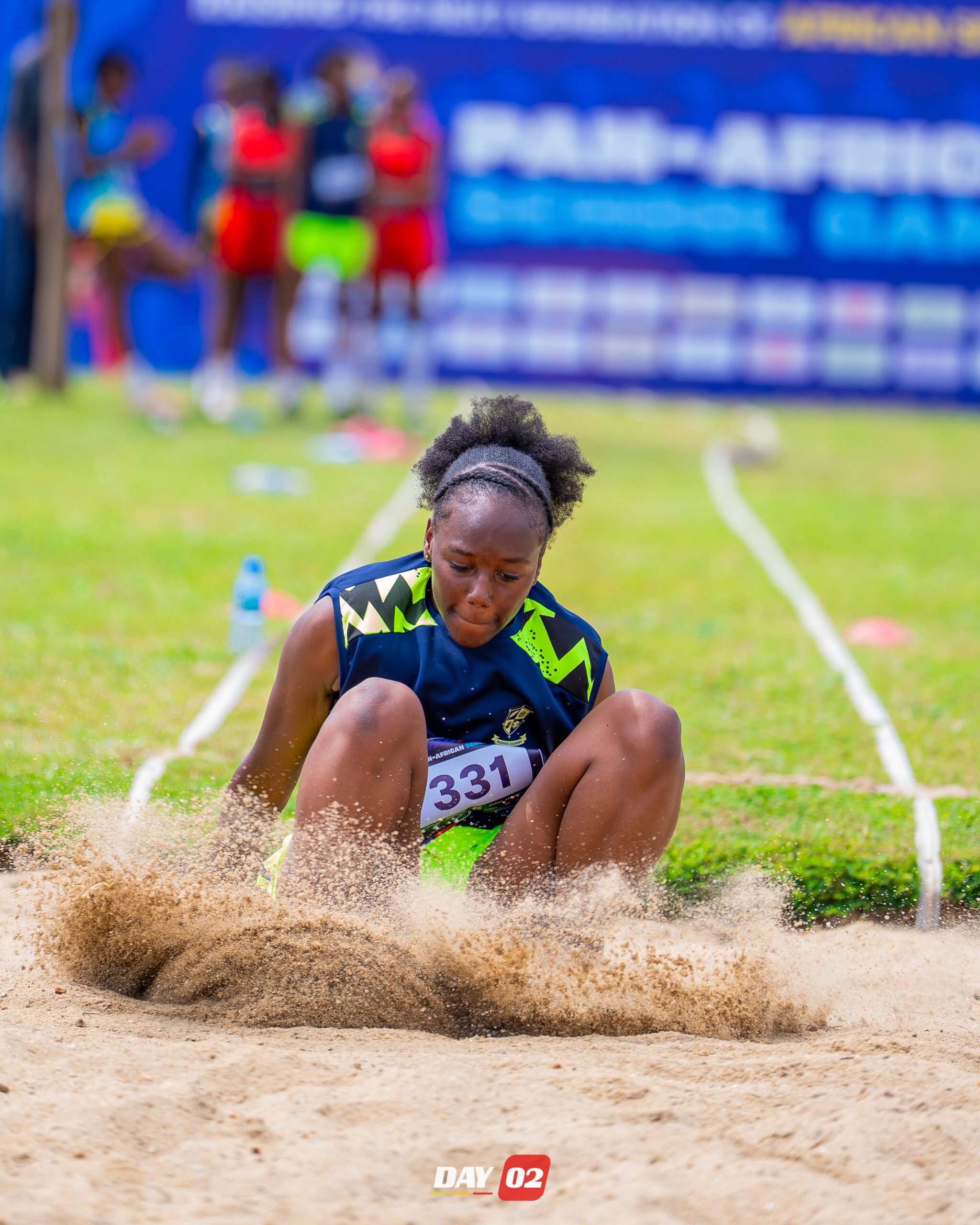
Athletics took centre stage on the second day, with track and field events testing the speed, strength, coordination and technique of the young competitors.
Athletes competed in running, jumping and throwing events, earning points for their schools as the standings developed. Each discipline presented a different challenge, giving students opportunities to demonstrate their abilities and compete for individual and team honours.
The athletics programme added another dimension to the Games, highlighting the variety of talent within the participating schools and the value of giving young athletes opportunities to develop through competition.
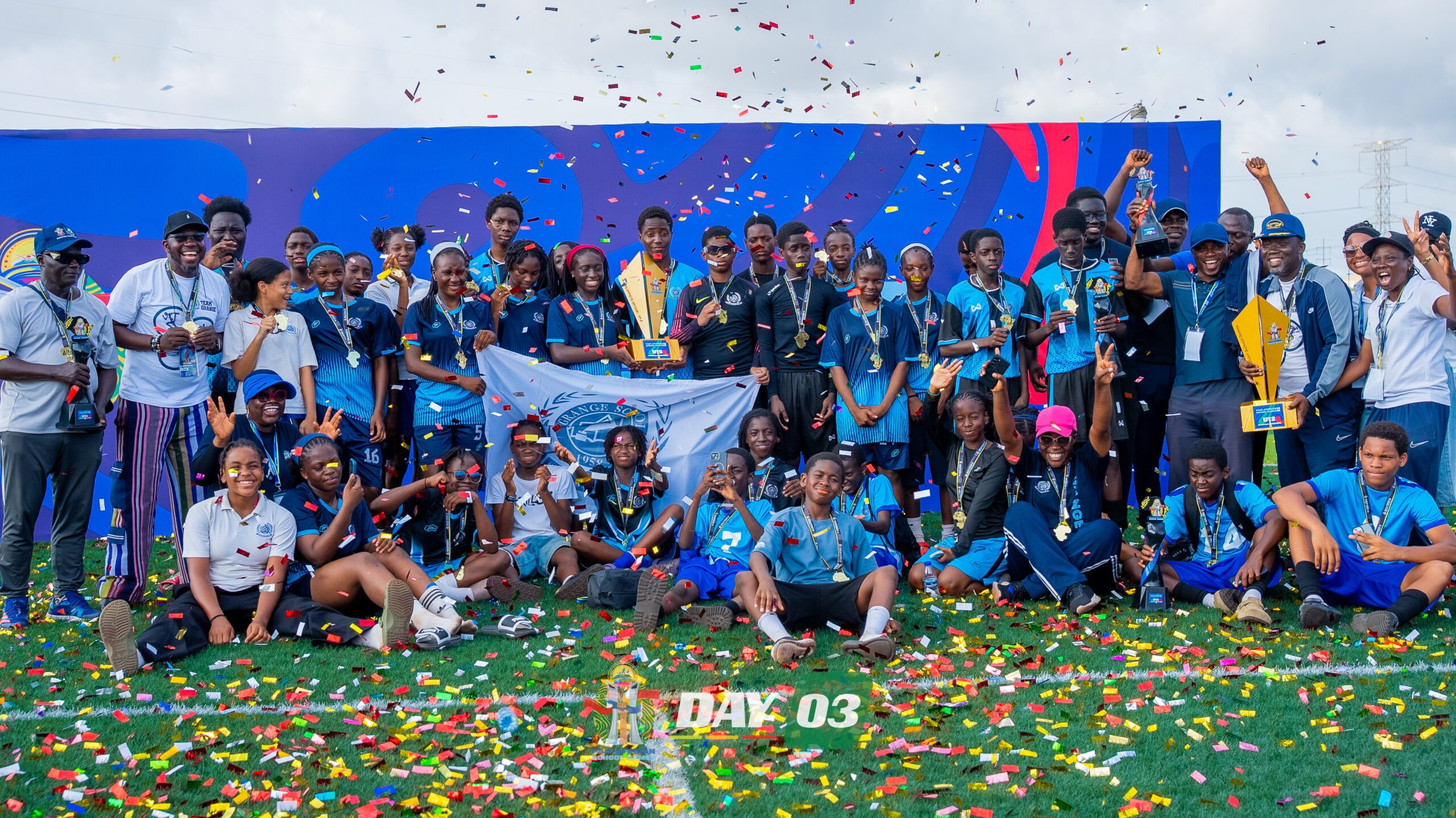
Day Three: Football and the Closing Ceremony
Football completed the sporting programme on the final day, with school teams competing for their last honours across the age categories.
The matches brought the three-day competition to its conclusion, with the closing ceremony recognizing the achievements of the participating schools and their athletes.
One of the major highlights was the presentation of a brand-new school bus to Grange School, sponsored by Mikano Changan Motors. The prize recognised Grange School’s overall victories in the U-13 and U-15 categories and represented a significant reward for the school’s performance across the Games.
The presentation was a memorable part of the closing ceremony, giving the competition a lasting highlight beyond the medals and results.
Recognizing the Schools and Their Achievements
The final results reflected strong performances across swimming, athletics and football.
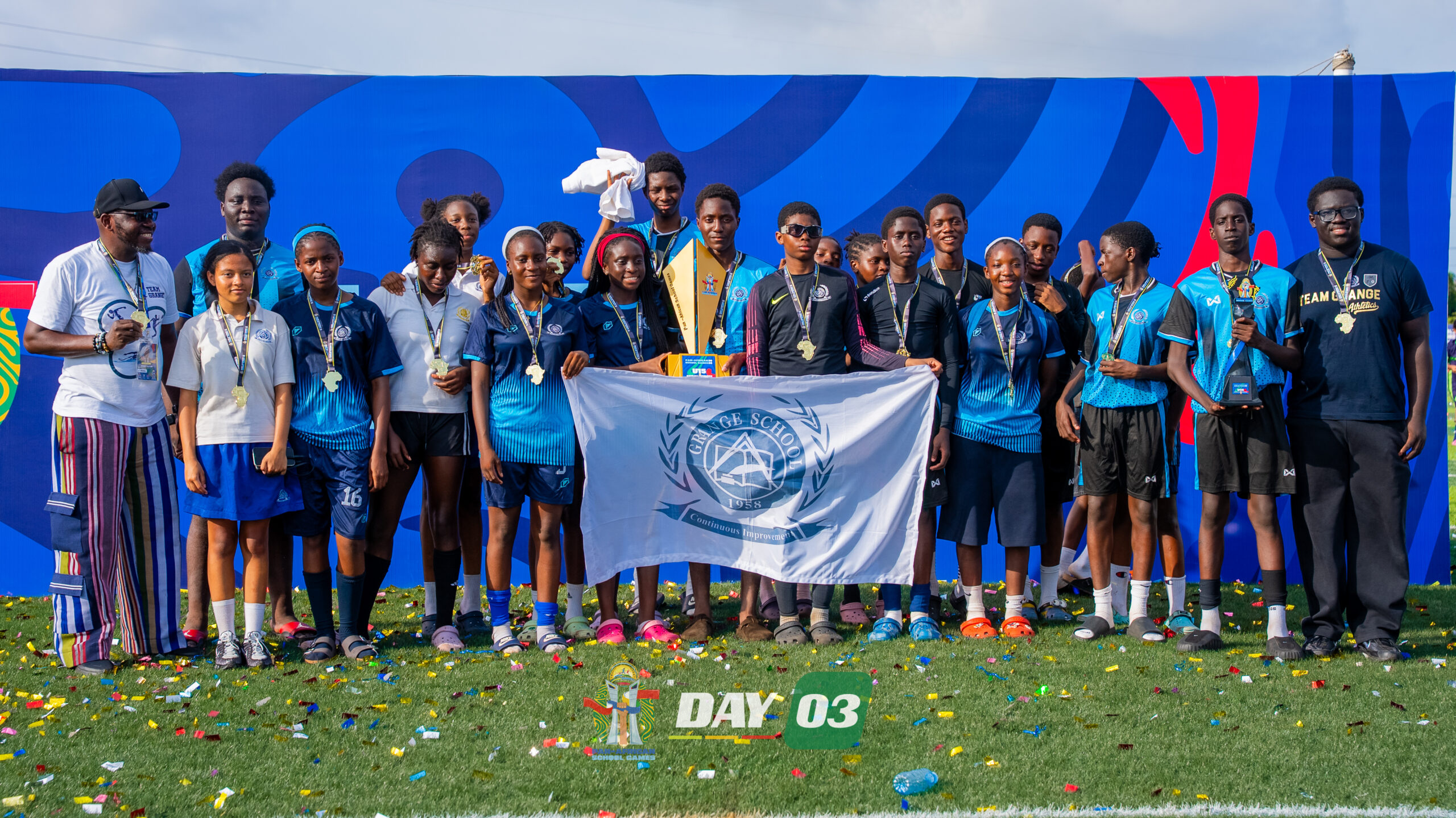
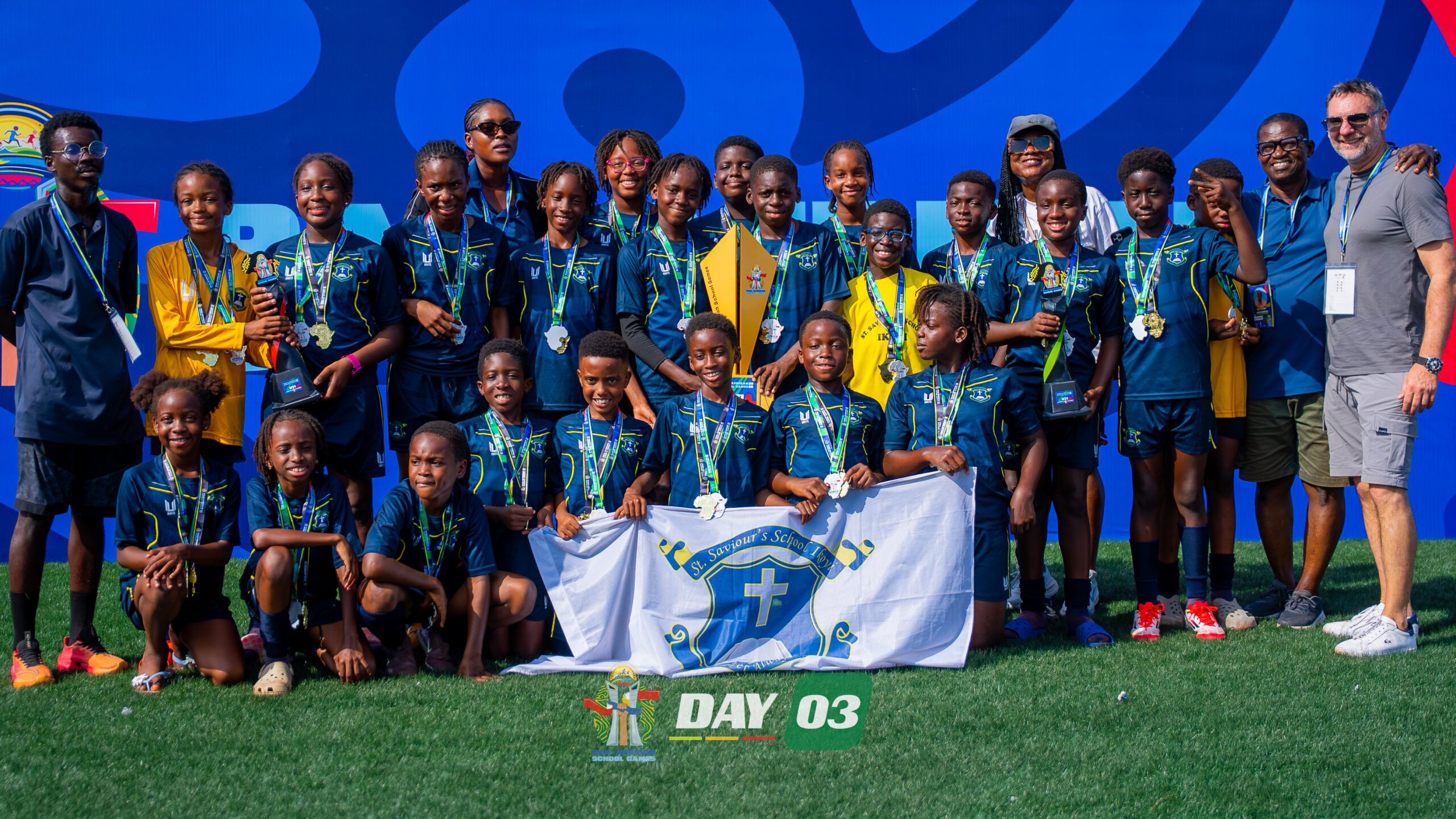
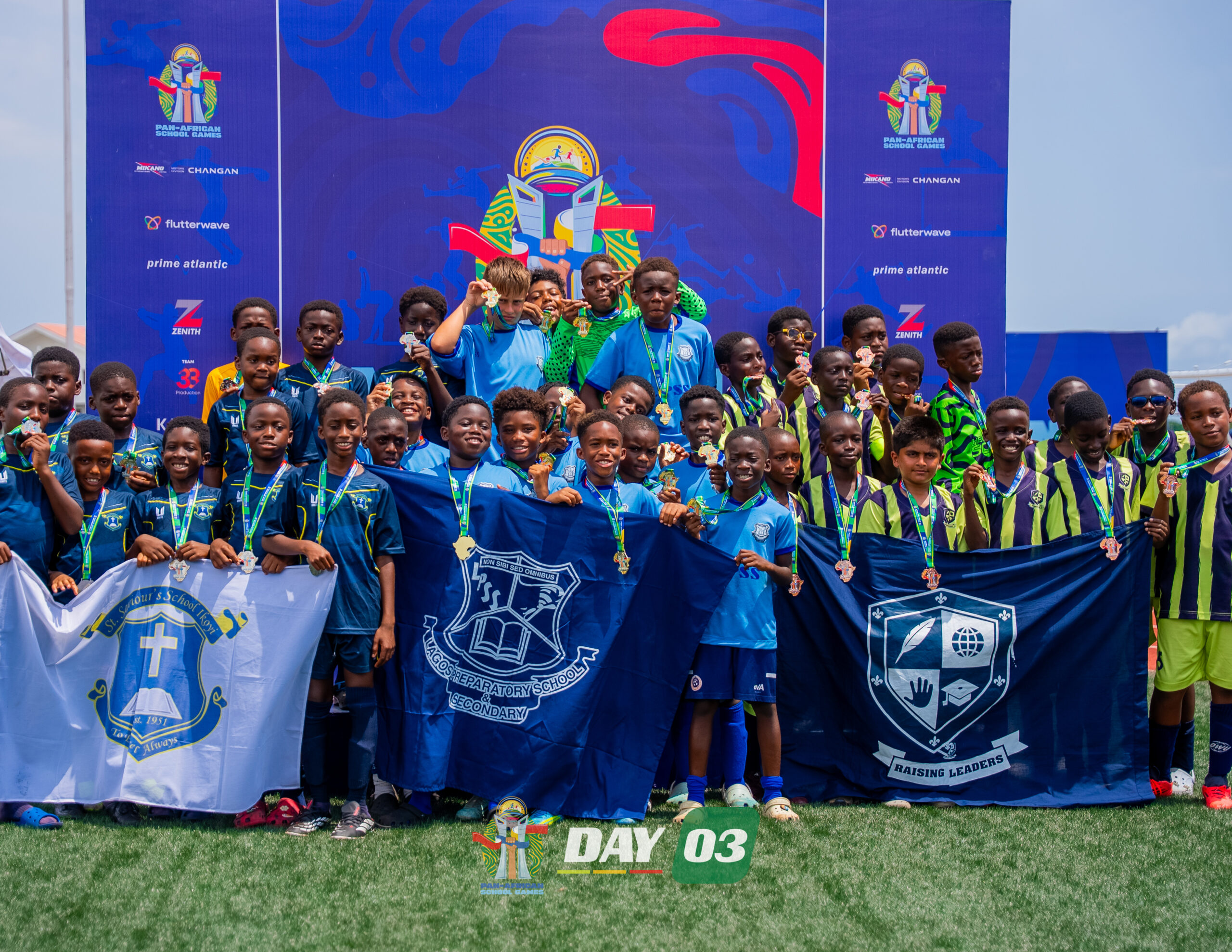
Grange School secured the overall titles in the U-13 and U-15 categories, while St. Saviour’s School, Ikoyi, won the overall U-11 title.
Grange School’s performances across the U13 category earned it the overall prize sponsored by Mikano Changan Motors. St. Saviour’s School’s success in the U-11 category also highlighted the competitive strength of the younger athletes.
The results reflected the contributions of students across the participating schools, many of whom competed in multiple events and disciplines. They also reinforced the importance of consistent preparation, teamwork and participation in structured sporting activities.
School representatives celebrate their achievements at the Pan-African School Games 2026 closing ceremony.
Scouts and Opportunities Beyond Competition
A particularly important aspect of the 2026 Games was the presence of scouts, brought to the event by Plumptre Advisory.
Their attendance strengthened the talent-identification dimension of the competition, creating opportunities for promising young athletes to be observed in a competitive setting. For students with sporting potential, being seen by relevant stakeholders can be an important step in exploring future development opportunities.
The involvement of Plumptre Advisory also reflects the broader ambition of the Pan-African School Games to connect school sport with educational and developmental pathways. Through its links with international schools and its work around educational opportunities, Plumptre Advisory contributes to conversations about how young people can pursue their academic goals while continuing to develop their sporting abilities.
Participation in the Games does not automatically guarantee selection, scholarships or placements. However, bringing scouts and education-focused stakeholders into the same environment as young athletes creates valuable opportunities for promising talent to be recognized and for further conversations to begin.
This is an important part of the long-term vision for the Pan-African School Games. The competition is intended to provide more than a few days of sporting activity; it is being developed as a platform that can help young people discover their abilities, build confidence and explore possibilities for their future.
A Lasting Prize for Grange School
The presentation of a new school bus to Grange School was among the defining moments of the 2026 edition.
Sponsored by Mikano Changan Motors, the bus was awarded in recognition of Grange School’s overall victories in the U-13 category. Its practical value to the school community made the award particularly significant, extending the impact of the competition beyond the event itself.
The prize also demonstrated how corporate support can contribute to school communities in tangible ways. In this instance, the sponsorship recognized sporting achievement while providing a resource that could support the school’s wider activities.
Grange School received a new school bus sponsored by Mikano Changan Motors after winning the overall U-13 and U-15 titles at the Pan-African School Games 2026.
Bringing the Competition to a Wider Audience
Team 33 Productions supported the Games through live streaming and event coverage, helping audiences follow the competition and preserving key moments from the three days.
The coverage made the sporting action more accessible to people who could not attend in person. It also created a record of the performances, school participation and award presentations that defined the 2026 edition.
Media coverage plays an important role in building awareness of school sport. It allows the achievements of young athletes to reach a wider audience and gives schools, families and other stakeholders an opportunity to revisit and share the experience.
Team 33 Productions’ contribution helped document the Games and communicate the scale and energy of the competition beyond the venue.
The Partners Supporting the Games
Delivering a multi-sport competition involving schools, young athletes, coaches, officials and spectators requires the support of organisations that believe in the value of youth sport.
The Pan-African School Games 2026 was supported by Plumptre Advisory, Kantar, Flutterwave, Flytime, Nigerian Exchange Group, Mikano Changan Motors, Logic City, Prime Atlantic, Team 33 Productions, UAC Foods and Zenith Bank.
Their support formed part of the wider effort to deliver the competition and strengthen its development as a platform for school sport.
The Games also received support from the Lagos State Government and the Lagos State Sports Commission, reflecting the importance of collaboration among organisers, businesses and public-sector stakeholders in creating opportunities for young athletes.
The contributions of these partners supported the event’s delivery and helped sustain the ambition of growing the Pan-African School Games over time.
The People Behind the Pan-African School Games
The Pan-African School Games is led by co-founders Dr. Seun Akinbohun, Dr. Busola Tejumola and Aderoju Ope-Ajayi, whose work continues to advance the vision of a stronger platform for school sport.
The co-founders of the Pan-African School Games: Dr. Busola Tejumola, Dr. Seun Akinbohun and Aderoju Ope-Ajayi.
Their work centres on creating meaningful sporting opportunities for young people and strengthening the connections between schools, athletes and the wider sporting community.
Looking Ahead
The Pan-African School Games 2026 brought together competition, school pride, talent identification and support from a broad network of partners. The presence of scouts, the recognition of outstanding school performances and the presentation of the sponsored school bus all contributed to the story of an event seeking to create opportunities beyond the playing field.
As the Games continue to develop, the ambition is to welcome more schools and athletes, expand participation and strengthen pathways for young people who want to pursue their sporting potential.
The 2026 edition reinforced the importance of giving young athletes a platform where they can compete, grow and be recognized. It also demonstrated the value of collaboration among schools, sponsors, sporting stakeholders and the wider community.
The next chapter of the Pan-African School Games will build on this foundation, with a continued focus on young talent and the role school sport can play in shaping future opportunities.








Sponsored Content