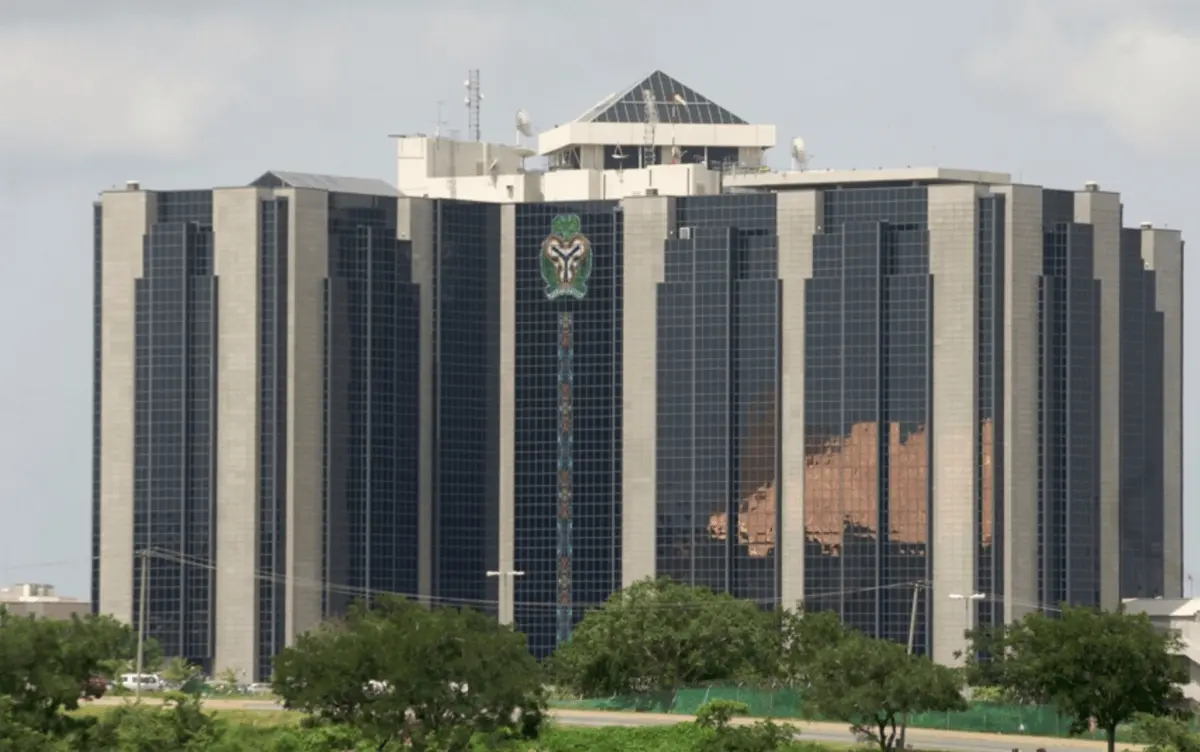
Dangote Cement Plc and BUA Cement Plc spent a combined N797.1 billion on energy in the first nine months of 2026.
The figure comes from their unaudited financial statements for the period ended September 30, 2026.
Dangote Cement reported group fuel and power costs of N580.5 billion, up 2.0% from N569.0 billion a year earlier.
BUA Cement’s energy consumption rose 21.5% to N216.6 billion, from N178.2 billion. The combined bill is 6.7% higher than the N747.2 billion the two spent in the same period of 2025.
Energy cost, for a cement maker, covers two things. The first is the fuel burned to heat kilns to over 1,400°C to make clinker: gas, coal, low-pour fuel oil and, increasingly, waste-derived alternative fuels. The second is the electricity that drives crushers, mills and packing plants, which Nigeria’s big cement producers generate largely in their own power plants rather than buy from the grid.
HBM Nigeria Plc, formerly Lafarge Africa, reported production variable costs of N226.3 billion, up 4.2%. The company does not separate energy from other inputs: the figure bundles fuel, power, raw materials and consumables. It also books some electricity costs under production fixed costs, alongside personnel expenses.
Money the grid is leaving on the table
The size of the cement makers’ energy bill shows how much spending sits outside Nigeria’s electricity market because of the grid’s unreliability.
Not all of it could go to the grid. Kiln fuel is a direct input the grid cannot replace, but the electricity component, generated in private plants at the companies’ own cost, is demand that reliable grid supply could capture.
- Nigeria’s three largest cement makers generate their own power. Dangote Cement has at least 345MW of captive capacity at its four Nigerian plants: Obajana in Kogi State (135MW), Ibese in Ogun State (about 111MW), Okpella in Edo State (60MW) and Gboko in Benue State (about 38.5MW). The plants can run on gas, coal or fuel oil.
- BUA Cement has an estimated 240MW to 280MW, mostly gas-fired. Its Sokoto plant runs 120MW of Wärtsilä engines on liquefied natural gas, and the Nigerian Electricity Regulatory Commission granted it a further 12MW permit for the site in the first half of 2026.
- Its Obu plant in Edo State has a 70MW gas plant serving its third line, alongside older turbines. BUA does not publish a consolidated figure.
Together, the two companies have roughly 585MW to 625MW of nameplate capacity in Nigeria. HBM Nigeria adds at least 200MW at its Ewekoro and Mfamosing plants, taking the big three past 800MW.
- Dangote Cement also generates power outside Nigeria. Verified plants include a 45MW gas-fired station at its Mtwara plant in Tanzania and a 30MW coal-fired unit at Ndola in Zambia. Capacity at its operations in Senegal, Ethiopia, Congo and South Africa is not publicly disclosed.
For context, average available capacity on the national grid was 4,457.96MW in the first quarter of 2026, according to NERC. That puts Dangote Cement and BUA’s Nigerian captive capacity at about 13% to 14% of what the grid had available.
What DisCos earned
Nigeria’s 11 electricity distribution companies (DisCos) billed customers about N2.01 trillion between January and August 2026 and collected about N1.63 trillion, a collection rate of roughly 81%. The totals are drawn from NERC’s quarterly reports for Q1 and Q2 and its monthly factsheets for July and August.
On a like-for-like basis, Dangote Cement and BUA’s energy spend in the first half of 2026 (N519.8 billion) was equal to 43% of everything the DisCos collected in the same period (N1.20 trillion).
- Dangote Cement’s parent company spent N208.2 billion on fuel and power in H1 2026, close to the N215.1 billion collected by Abuja DisCo, which serves its Obajana plant in Kogi State.
- BUA’s H1 energy bill of N135.4 billion was about 4.4 times the N30.9 billion collected by Kaduna Electric, the DisCo for its Sokoto plant.
It also exceeded the N99.9 billion collected by Benin DisCo, which covers both BUA’s Obu plant and Dangote’s Okpella plant.
A wider retreat from the grid
The gap widens once other manufacturers are counted. Companies and institutions holding NERC captive generation licences had about 6,500MW of capacity, according to NERC data reported in January 2025, more than the grid’s typical output.
Estimates of all privately owned generation, including diesel and petrol generators, run from 15,000MW to 20,000MW. The Manufacturers Association of Nigeria says its members spent N1.34 trillion on alternative power in 2025, up 21% from N1.11 trillion in 2024.
The exits continue. NERC granted captive permits totalling 54.94MW between January and June 2026, with BUA Cement’s 12MW the largest single permit.
Grid failures and an election issue
The national grid has failed at least three times this year. It collapsed on January 23, with generation falling to zero, and again on January 27.
On October 19, multiple trips on the 330kV network cut supply from 3,647MW to 675MW within an hour, an 81.5% drop, as nine plants went offline.
Power has become a campaign issue ahead of the 2027 election. Former Vice President Atiku Abubakar, through the ADC Presidential Campaign Council, says President Bola Tinubu has failed his promise of steady electricity. He cites a 2022 campaign remark: “If I don’t give you constant electricity for four years, when I come back for a second term, don’t vote for me.”
What you should know
Dangote Cement and BUA Cement earned combined revenue of N4.86 trillion in the nine months. Dangote’s revenue rose 19.6% to N3.77 trillion and BUA’s rose 26.5% to N1.09 trillion.
- Energy consumed 16.4% of combined revenue, down from 18.6% a year earlier, as cement prices rose faster than fuel costs.
- Dangote Cement’s energy fell to 15.4% of revenue from 18.0%. Management credits a better energy mix, alternative fuels and gas-powered (CNG) trucks for keeping fuel and power growth to 2.0% while volumes rose 9.4%. The group figure includes its operations in nine other African countries. The Nigerian parent company’s fuel and power bill rose 15.1% to N313.9 billion.
BUA Cement’s energy fell to 19.9% of revenue from 20.8% over nine months, but rose sharply in the third quarter. Q3 energy costs rose 59.8% to N81.3 billion, lifting the energy share of revenue to 22.7% from 18.3%. Over the same quarter, BUA’s materials cost fell 68%, which may point to a reclassification between cost lines. The company has not explained the movement.