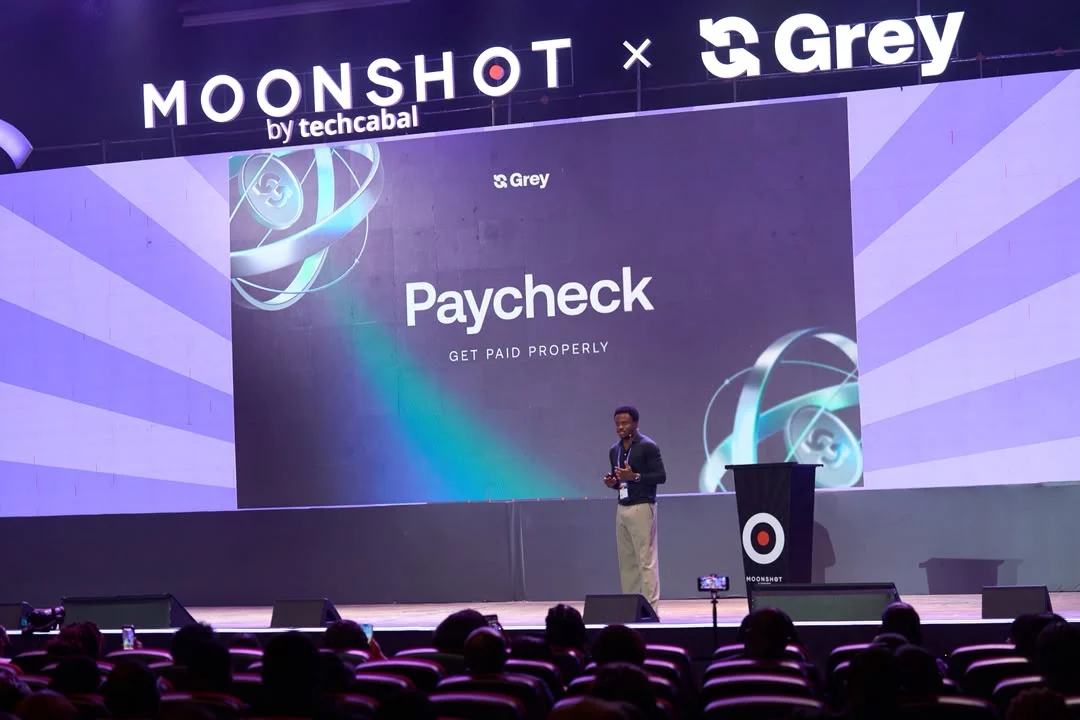
Africa’s digital economy needs more than apps that connect users to services. It also depends on reliable transport, location data, access to financing, and shared infrastructure that businesses can build. That was a central theme of the “Beyond the App: Building the Infrastructure Behind Africa’s Everyday Economy” panel at Moonshot by TechCabal 2026.
“The app is just the front-end,” said Sanusi Adedamola, chief operating officer (COO), Fez Delivery, representing Seun Alley, chief executive officer (CEO), Fez Delivery. For companies operating in ride-hailing, delivery services, and electric mobility sectors, getting a product into users’ hands is only one part of the challenge.
They must also ensure that vehicles are available, services can locate customers, and the economics of operating in each market make sense.
This distinction is important in markets where businesses face unreliable power, patchy connectivity, fragmented logistics and disconnected cross-border payment systems. These constraints can increase operating costs, reduce service reliability, and make expansion into new markets more complicated.
Nigeria offers a practical example of this challenge. Uneven internet connectivity continues to affect businesses even in Lagos, the country’s leading commercial and technology hub. The gap illustrates how a strong market for digital services does not automatically guarantee the reliable connectivity businesses need to serve customers and expand.
Financing is another constraint. A company providing vehicles to commercial riders, for instance, must assess whether those assets can generate enough income to cover operating costs and loan repayments. During the panel, Chinwe Adighiogu, Senior Vice President (SVP) / vice president (VP) of Products at one of Africa’s leading eco-friendly EV companies, MAX, highlighted how information about riders’ activity, daily earnings, maintenance costs, and battery use can help determine affordability.
Such operational data can also help lenders assess borrowers who may lack conventional banking histories, he said.
World Bank research published in The World Bank Economic Review in 2024 found that investment in roads and electricity boosts activity in Africa’s manufacturing and services sectors. A key discussion was whether companies should build infrastructure alone or share the costs. Mapping streets and neighbourhoods is expensive, but the resulting data can benefit multiple businesses. Similarly, shared charging and battery-swapping networks could help electric mobility operators avoid building isolated systems.
Africa’s digital economy will depend not just on the apps people download, but on the infrastructure that keeps them running. A slick app means little if a delivery cannot reach a customer, a payment stalls or a vehicle cannot find a charging point. The real test is whether the infrastructure behind the screen can turn digital convenience into an everyday reality.