…says every every Nigerian child deserves quality education
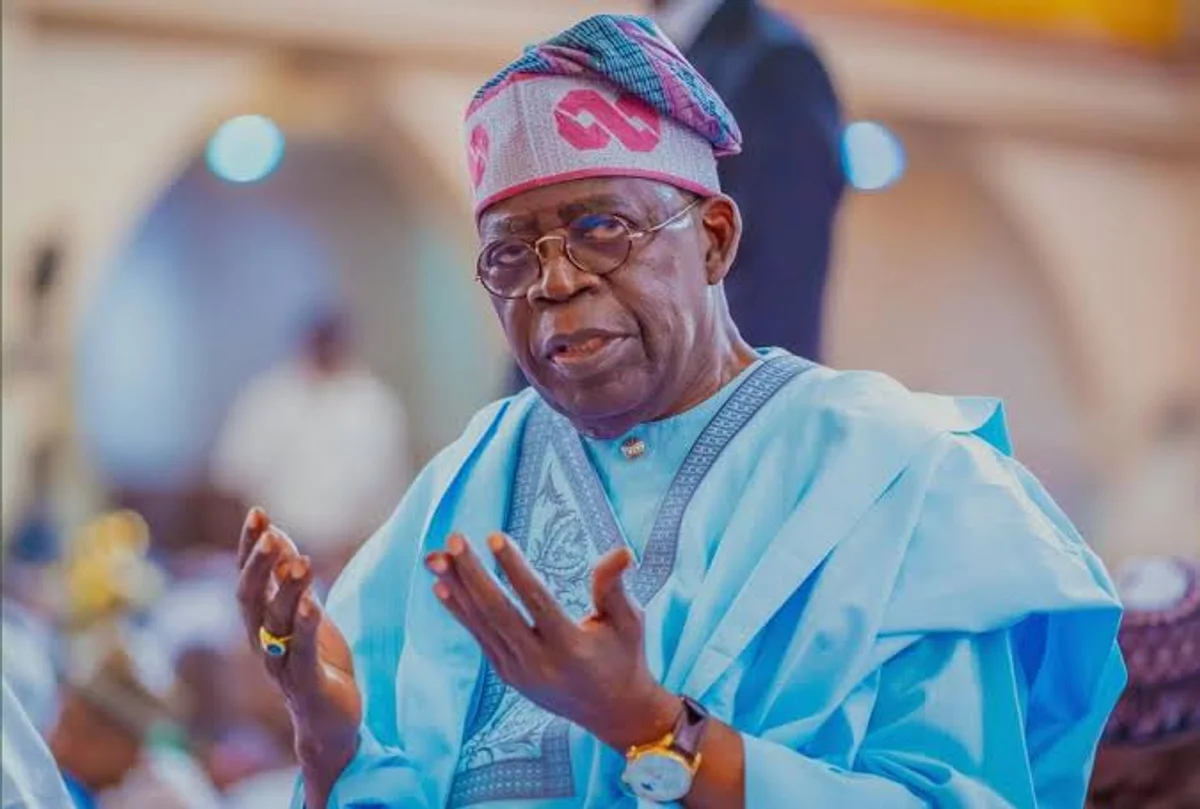
President Bola Ahmed Tinubu has recounted working as a taxi driver in the United States to fund his university education, using the personal story to frame his administration’s expanding investment in Nigerian education. In a statement posted on X on Wednesday, he said the experience taught him the financial pressures students face and reinforced his belief that a child’s background should not determine their opportunities.
Personal story and policy pitch
Tinubu said he delayed starting school for several months after arriving in the United States because he needed to save money, and later worked different jobs in Chicago to pay his way through university. He argued that education transformed his own life and said every Nigerian child deserves a similar chance, irrespective of where they were born or what their parents can afford.
The President presented the remarks as the rationale for education being a central pillar of his Renewed Hope agenda, saying the government’s task is to give every Nigerian child “a fair chance to fulfil their potential”.
Read also: Sanusi credits Tinubu’s reforms for economic recovery, faults government’s response to critics
Student loans and vocational training
A major highlight was the Nigerian Education Loan Fund (NELFUND), which Tinubu said has provided more than ₦372 billion in loans for institutional fees and student upkeep. Independent reporting puts the disbursement at ₦372.62 billion to more than 1.65 million beneficiaries across 319 tertiary institutions.
He also said the administration’s technical and vocational education programme has received over 2.8 million applications, while 38 technical colleges have been rehabilitated. Students in federal and selected state technical colleges, he added, now receive free tuition, boarding, textbooks, and uniforms.
Universities and medical education
Tinubu announced a new agreement with the Academic Staff Union of Universities (ASUU), featuring a 40 per cent increase in academic staff remuneration and measures intended to stabilise universities. He said the goal is to ensure that “a four-year course must take four years,” referring to recurrent disruptions that have prolonged many students’ programmes.
In medical education, the President said the government is investing ₦110 billion to rehabilitate 24 medical schools. He claimed annual nursing enrolment has risen from 28,000 to 115,000, while medical and dental enrolment has increased from 5,000 to 12,000, positions framed as part of efforts to train more health workers domestically.
Basic education and NESRI
Tinubu further said more than one million children previously out of school have returned to learning. He cited investments in teacher development, expanded opportunities for girls, and a new national curriculum that restores Nigerian history to classrooms.
The President commended Education Minister Dr Tunji Alausa, Minister of State Professor Suwaiba Sa’id Ahmad, and the Federal Ministry of Education for developing an interactive A–Z guide to the Nigeria Education Sector Renewal Initiative (NESRI). NESRI is the ministry’s flagship six-year policy framework covering technical and vocational education, STEMM, out-of-school children and Almajiri education, digitalisation, girl-child education, and quality assurance.
Call for feedback
Tinubu invited parents, students, and teachers to visit edu4pbat.ng to explore the NESRI guide and identify available opportunities. He also asked Nigerians to report problems in their communities, saying feedback would help the government identify and address failures in the education system.
The statement comes as the administration seeks to consolidate its education record amid continued public scrutiny of school access, university stability, funding sustainability, and the implementation of reforms across Nigeria’s federal and state systems.