Mizar Eridanus Holdings is betting that drivers on one of Lagos’s busiest roads will pay for fuel they can trust. The Nigerian energy trading group has opened its first retail station on the Badagry Expressway, the first step in a planned national network.
The outlet at Km 45, Agogo Igbala, takes the company from sourcing, trading, storing and moving petroleum products to selling them at the pump under the Mizar Energies brand. It sits on a route used by commuters from fast-growing communities in western Lagos, commercial buses, and heavy haulage traffic heading for Seme and the wider West African trade corridor.
“It is a route where motorists have told us, repeatedly, that they struggle to find a station they can trust,” Benjamin Ekwebelam, the group’s managing director, said in an interview with BusinessDay.
Read also: Geregu Power, Siemens Energy seal deal to reduce plant outages
He said deregulation, steadier local supply and a more mature sourcing business made the timing right. Retail also offers steadier revenue than trading, which Ekwebelam described as “lumpy and working-capital intensive.”
Mizar is building its pitch around the complaints that dog Nigerian retailers, namely adulterated fuel and short-dispensing. Ekwebelam said trucks are sealed at loading and checked on arrival, and product is tested before it enters station tanks. Tank levels are reconciled against sales daily, and pumps are calibrated and certified in line with regulatory requirements.
“A cheap litre that is not a full litre is no bargain,” he said, adding that the company will price competitively but will not compete on price alone.
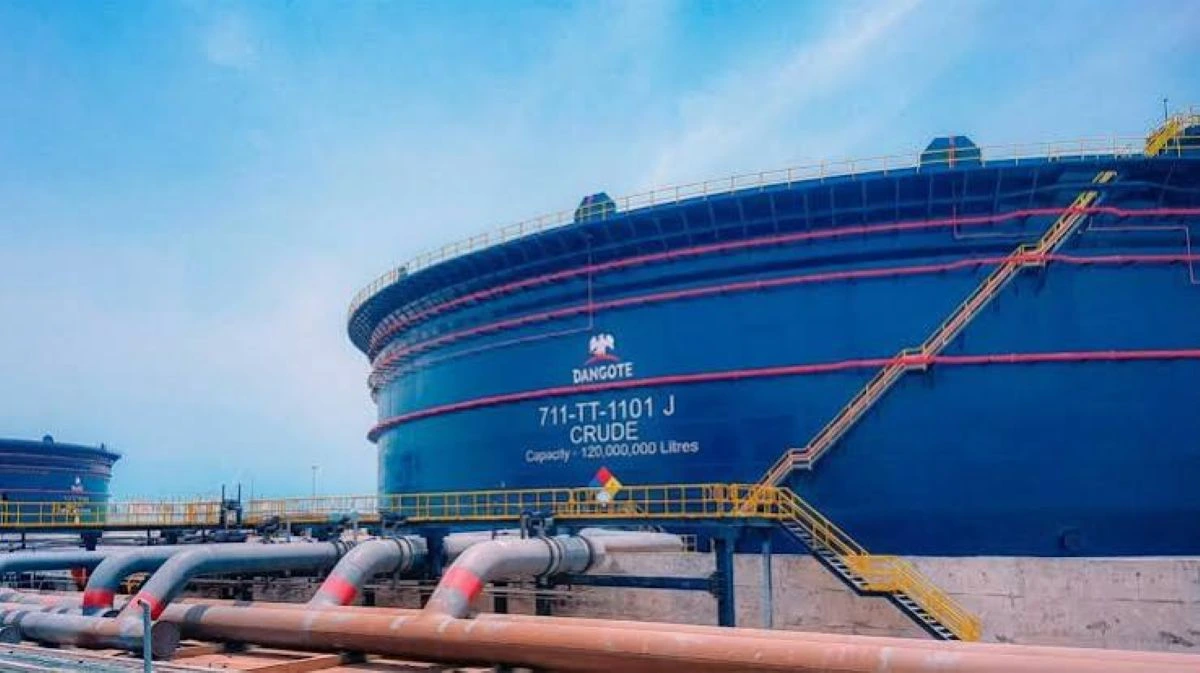
That puts Mizar in a market reshaped by deregulation and the arrival of the Dangote refinery in fuel supply. Ekwebelam said greater domestic refining is good for a retailer that depends on consistent availability.
The company is not giving a station target or an investment figure. Ekwebelam said funding will come from internally generated cash and facilities from financing partners already backing the trading business. Money will be committed station by station, each site having to meet return thresholds before the next is approved. He said Mizar remains open to strategic or equity partners who share its standards.
Over the next 12 to 24 months, the company plans to expand along commuter and trade routes, starting in Lagos and the South-West and then moving to corridors where its trading arm already moves product. Growth will mix acquisitions or leases of existing stations with new builds. A dealer model could follow once systems and training can be enforced at sites Mizar doesn’t run.
“We would rather grow carefully and be trusted than grow quickly and have to repair our reputation,” Ekwebelam said, acknowledging that retail exposes the brand daily and brings safety obligations that never switch off.
He said the company engaged the Nigerian Midstream and Downstream Petroleum Regulatory Authority early and followed the full licensing process. On pricing, he said compliance means clear display and honest application of prices in a deregulated market.
Mizar plans to add lubricants, liquefied petroleum gas and convenience retail to its stations over time. It is watching compressed natural gas as conversions grow, while electric-vehicle charging is a longer-term prospect. The company says each site will create direct jobs and support haulage, maintenance and construction contractors.